1 Day
Pilgrimage
Price on request
Same Day Prayagraj Tour Package
Prayagraj|Pilgrimage
Dawn Sangam Boat & Dip
Bade Hanuman & Fort
Anand Bhavan & Azad Park
 Varanasi
By Rajeev Sharma
Varanasi-born Pilgrimage Guide
The Panchkroshi Yatra (पंचकोशी यात्रा) is the sacred parikrama around the whole of Kashi: an 88 km circuit that begins and ends at Manikarnika, with five padavs (halts), Kardameshwar, Bhimchandi, Rameshwar, Shivpur and Kapildhara, and 108 Shiva shrines along the way. Traditionally walked over five days, it is done today either on foot with dharamshala halts or in a single day by vehicle. varanasiayodhyatours.com plans both versions, the sankalp, the route and the pace, on WhatsApp.
Experience Panchkroshi Yatra: walking the sacred circle around Kashi with a Kashi-born guide — darshan, stays and boats arranged.
Kashi is bounded not by walls but by a sacred circle, and the Panchkroshi Yatra is the act of walking that boundary in devotion. The word means "five krosha," an old measure; the full circuit is 25 kos, about 88 km, and the area it encloses is held to be the true body of Kashi, the Kashi Khand, dense with temples and, by tradition, hundreds of thousands of deities. To complete the circle, clockwise, with all the temples on your right, is to circumambulate the living city of Shiva itself. The yatra is described in the 16th-century text the Kashi Rahasya, and it remains one of the most demanding and meaningful pilgrimages a devotee can undertake in Varanasi.
The yatra begins at Manikarnika Kund, where pilgrims bathe and take the sankalp, the vow, then travel to Assi Ghat where the road circuit begins, and move clockwise through the five padavs:
The yatra ends where it began, at Manikarnika, with the final offering and a visit to the Jaun Vinayak shrine near Adi Keshav Ghat.
The Panchkroshi is a walk through myth as much as geography. Rama walked it to free his father Dashrath from a curse; the Pandavas walked it in their exile to regain their kingdom; sages Kardam and Kapila anchored its ends. Each padav carries a stage of the inner journey: courage at Bhimchandi, the shedding of ego and sin at Rameshwar, rest and surrender at Shivpur, meditation at Kapildhara. To close the circle is held to dissolve sin and bring the pilgrim, symbolically, to the feet of Shiva at the centre of the world.
From the ground: for my Telugu and Kannada guests, I explain that Rameshwar on this route is Kashi's answer to Rameshwaram; doing the Panchkroshi is, in the old belief, to earn that far southern pilgrimage here. I read the story of each padav as we reach it, in your language.
The traditional yatra is walked over five days, one leg a day, halting each night at the dharamshalas that line the route, there are 44 of them, at Kandwa, Bhimchandi, Rameshwar, Shivpur and Kapildhara. Pilgrims walk barefoot, in silence or chanting, eating simply once a day, temples always on the right. It is arduous and beautiful, and for the devout it is the only real way. We arrange the halts, the support and a guide who keeps the ritual correct at each padav.
Most pilgrims today, especially visitors and the elderly, complete the full 88 km circuit in a single day by vehicle, keeping every ritual, the Manikarnika sankalp, the boat to Assi, darshan and offering at all five padavs, and the closing at Manikarnika, but covering the distance in ten to twelve hours rather than five days. It is an honest, complete form of the yatra for those who cannot walk it, and the way we run it for most guests: a pre-dawn start, the Innova Crysta staged for the rural and narrow final stretches, and the rituals done properly at each stop.
The yatra can be done any time, but two seasons are special: the month of Sawan (Shravan, mid-July to mid-August), when Kashi turns to Shiva and many walk it; and above all the malamasa, the intercalary "extra" month that falls roughly every third year, the most sacred window for the Panchkroshi, when tens of thousands walk it together. For a single-day drive, the cool months of October to March are the most comfortable.
The Panchkroshi is a free, open pilgrimage: no ticket, no pass, no VIP anything, only the road, the temples and the vow. The honest questions are practical. The route runs through farmland and narrow village lanes, especially near Kapildhara, where the last stretch is barely two cars wide, so the vehicle matters, and a compact SUV like the Innova is genuinely the right choice over a larger bus. The five-day walk is physically hard and needs real preparation; the one-day drive is complete and honest for those who cannot walk, and no one should feel it is lesser. What we sell is not access, which is free, but the correct ritual sequence, the sankalp and closing, a guide who knows each padav, and the logistics of an 88 km circuit that defeats most first-timers who try it alone.
Fly into Lal Bahadur Shastri International Airport (VNS), about 25 km out; trains serve Varanasi Junction, Banaras and Kashi stations. The yatra itself starts in the heart of the old city at Manikarnika; the last walk to the kund is on foot from Godaulia. Full detail in the How to Reach Varanasi guide.
Our package guests stay at the Taj Ganges or Hilton Varanasi with breakfast, a comfortable base before a pre-dawn yatra start and a welcome rest after. Walking pilgrims halt at the route's dharamshalas by tradition; we can arrange a comfortable hotel return each night for those who want to walk by day and rest well by night. More in the Stay & Hotels guide.
The one-day Panchkroshi circuit, sankalp to close with all five padavs, runs on one flat rate: ₹12,500 per day for two guests, private Innova and guide, confirmed in writing before any advance. The five-day walking yatra with arranged halts is built to your pace on the same per-day model. It pairs naturally with the 4 Days Ayodhya Varanasi Tour Package, ₹50,000 per couple (₹25,000 per person), or a Sawan visit, when many undertake it. Browse all packages.
The sacred 88 km parikrama around Kashi, beginning and ending at Manikarnika, with five padavs, Kardameshwar, Bhimchandi, Rameshwar, Shivpur and Kapildhara, and 108 Shiva shrines along the way.
About 88 km, or 25 kos. Traditionally it is walked over five days, one leg a day, halting at dharamshalas.
Kardameshwar (Kandwa), Bhimchandi, Rameshwar, Shivpur and Kapildhara, each a Shiva or Devi shrine with its own legend and night halt.
At Manikarnika Kund, near Manikarnika Ghat, where pilgrims bathe and take the sankalp; after a boat to Assi Ghat the road circuit begins, and it closes back at Manikarnika.
Yes; most pilgrims and visitors now complete the full circuit in a single day by vehicle, ten to twelve hours, keeping every ritual. It is a complete, honest form of the yatra for those who cannot walk five days.
The month of Sawan and, above all, the malamasa (the intercalary month, roughly every third year) are the most sacred. For a comfortable one-day drive, October to March.
By legend Lord Rama installed the Shiva linga there to atone for killing Ravana, and prayer at Rameshwar is said to grant the merit of Rameshwaram in the South.
Yes, in the one-day vehicle form, which we run in a comfortable Innova with the rituals done at each padav. The five-day walk is demanding and needs real fitness.
No; the yatra is free and open. A guide and vehicle add the ritual correctness and the logistics, not access.
The Rameshwar padav links Kashi to Rameshwaram, and we guide the whole circuit in Telugu and Kannada, reading each padav's story as you reach it.
Experience Panchkroshi Yatra: walking the sacred circle around Kashi with a Kashi-born guide — darshan, stays and boats arranged.
Handpicked packages for sacred festivals and destinations.

.webp&w=2048&q=75)
Handpicked travel guides, local insights and practical information to help you plan your spiritual journey with ease.
.74539458.webp&w=2048&q=75)
Timings, entry process, VIP darshan, nearby attractions and important tips.
Fresh insights and useful information for your journey.
More spiritual gatherings across sacred destinations.

Subah-e-Banaras (सुबह-ए-बनारस) is Varanasi's daily dawn ritual at Assi Ghat: begun on 24 November 2014, it opens in the Brahma Muhurta before sunrise with Vedic chanting and a hawan, a morning Ganga aarti to the rising sun, then live Banaras Gharana classical music and an open yoga session on the ghat steps. It runs every morning, is free to attend, and is the contemplative dawn counterpart to the grand evening Ganga Aarti at Dashashwamedh. varanasiayodhyatours.com plans the pre-dawn pickup, the seating and a sunrise boat around it, on WhatsApp.
View Details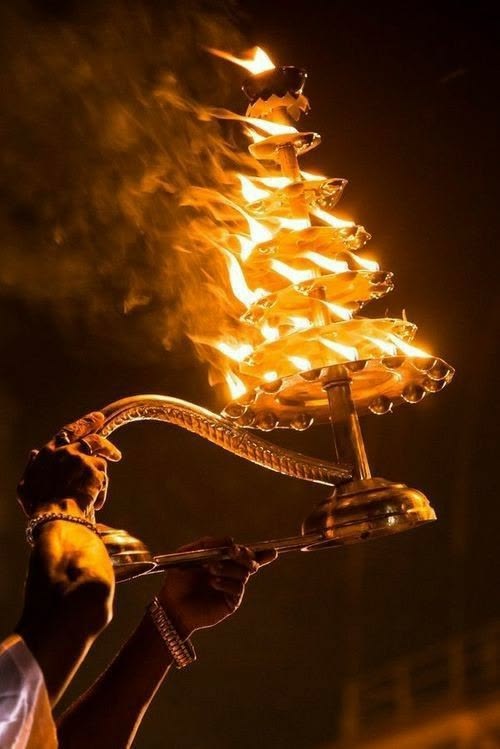
The Nageshwarnath temple (नागेश्वरनाथ) is Ayodhya's ancient presiding Shiva shrine, at Ram ki Paidi on the banks of the Saryu, said to have been established by Kush, the son of Lord Rama. In a city given to Rama, it is the great centre of Shiva worship, coming alive above all at Maha Shivratri, with its famous Shiva Baraat, and through the month of Sawan. varanasiayodhyatours.com plans the darshan and the Shiva festivals around it, on WhatsApp.
View Details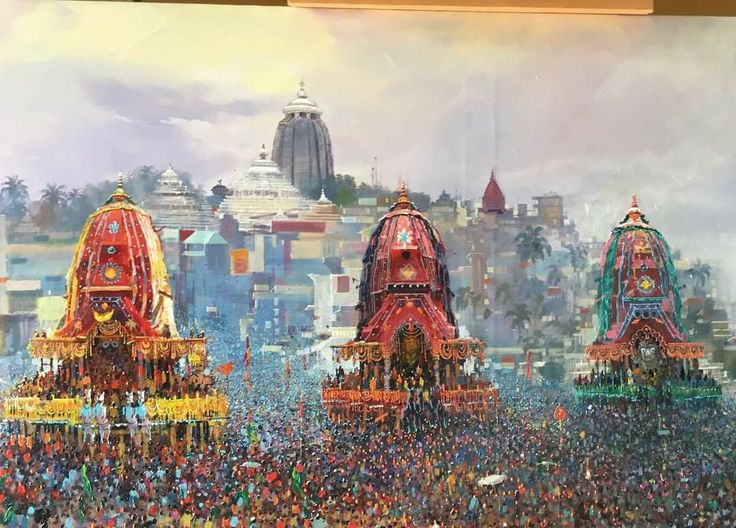
The Panchkroshi Yatra (पंचकोशी यात्रा) is the sacred parikrama around the whole of Kashi: an 88 km circuit that begins and ends at Manikarnika, with five padavs (halts), Kardameshwar, Bhimchandi, Rameshwar, Shivpur and Kapildhara, and 108 Shiva shrines along the way. Traditionally walked over five days, it is done today either on foot with dharamshala halts or in a single day by vehicle. varanasiayodhyatours.com plans both versions, the sankalp, the route and the pace, on WhatsApp.
View Details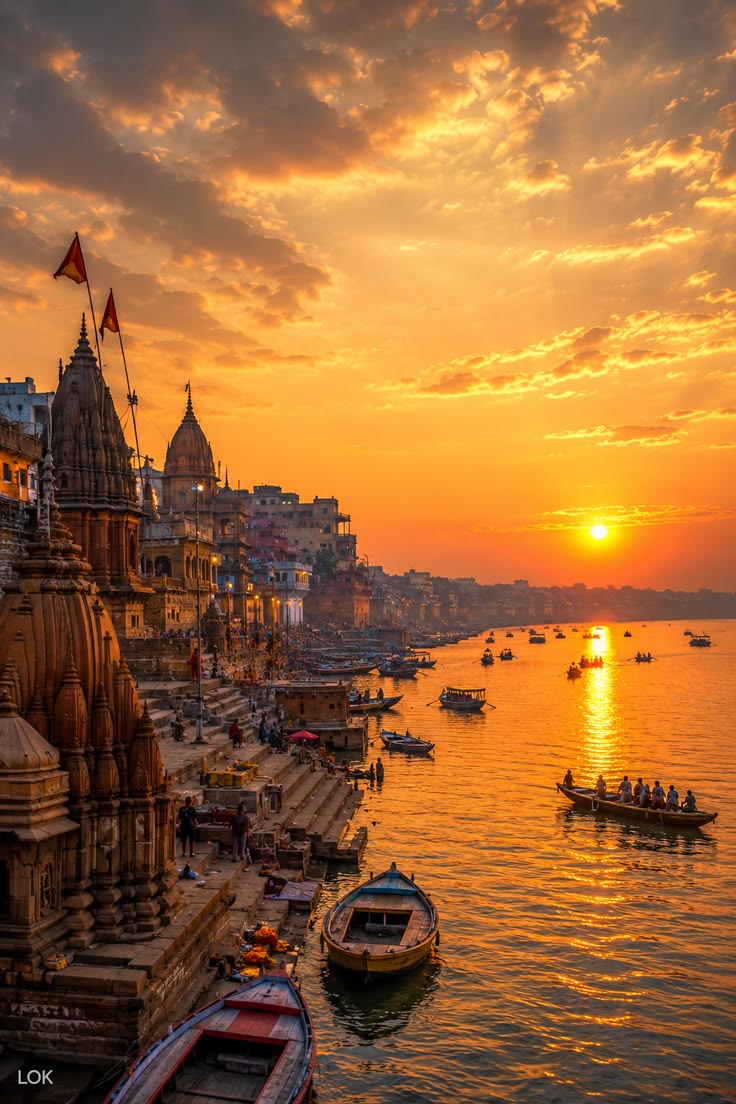
Subah-e-Banaras (सुबह-ए-बनारस) is Varanasi's daily dawn ritual at Assi Ghat: begun on 24 November 2014, it opens in the Brahma Muhurta before sunrise with Vedic chanting and a hawan, a morning Ganga aarti to the rising sun, then live Banaras Gharana classical music and an open yoga session on the ghat steps. It runs every morning, is free to attend, and is the contemplative dawn counterpart to the grand evening Ganga Aarti at Dashashwamedh. varanasiayodhyatours.com plans the pre-dawn pickup, the seating and a sunrise boat around it, on WhatsApp.
View Details