1 Day
Pilgrimage
Price on request
Same Day Prayagraj Tour Package
Prayagraj|Pilgrimage
Dawn Sangam Boat & Dip
Bade Hanuman & Fort
Anand Bhavan & Azad Park
 Varanasi
By Rajeev Sharma
Varanasi-born Pilgrimage Guide
Annakut (अन्नकूट), the "mountain of food," is celebrated at the Annapurna temple beside Kashi Vishwanath on Govardhan Puja, the day after Diwali, falling around 9 to 10 November 2026. On these days alone, roughly three days a year from Dhanteras to Annakut, the temple reveals its golden idol of Annapurna, the goddess of food who is queen of Kashi, holding a golden pot and ladle; a mountain of chappan bhog is offered, and coins and rice are given as prasad. varanasiayodhyatours.com plans the golden darshan and the day around it, on WhatsApp.
Experience Annakut at the Annapurna temple: the golden goddess Kashi sees three days a year with a Kashi-born guide — darshan, stays and boats arranged.
Annakut falls on Govardhan Puja, the fourth day of Diwali. The golden idol is revealed for a short window around it, roughly from Dhanteras through to Annakut.
The Annapurna temple holds two idols of the goddess: a brass one for daily darshan, and a golden one revealed to the public only for about three days a year, around Annakut. On these days the golden Annapurna, holding a golden pot (patra) and ladle (hath) of eternal food, is seated between Lakshmi on her right and Bhu Devi on her left, and Kashi queues to see her. By tradition the temple's inner door is opened only on the Annakut occasion; the belief is so strong that it is said none but the proper hands may open it. To stand before the golden goddess of food in the city she feeds is one of the rarest darshans in the Kashi year.
From the ground: for my Telugu and Kannada guests I explain that this is Annapoorna, the same goddess of the Annapoorna Stotram, seen here in gold at her original seat, only now, only for these days. Most visitors have no idea the window is this short; I make sure you are there inside it.
Annapurna is Parvati in her form as the goddess of food, and Kashi is her home. The story, given form in Adi Shankaracharya's Annapurna Stotram, tells that Shiva once dismissed food, anna, as mere Maya, illusion; Parvati, to prove that nourishment is no illusion but the ground of life, withdrew all food from the world, and famine fell. Shiva himself came before her as a beggar with his bowl, and she fed him; and she promised that in Kashi no one would ever go hungry. That promise is why Varanasi believes no one sleeps hungry in the city, and why the temple's kitchen, the Annakshetra, has fed pilgrims for centuries. The verse Shiva speaks, asking alms of Parvati for the sake of knowledge and detachment, is recited here still.
Annakut means a heap or mountain of food, and on Govardhan Puja an enormous vegetarian offering is piled before the goddess in gratitude, traditionally the chappan bhog, fifty-six dishes. The festival shares Govardhan Puja's Krishna legend, the lifting of Govardhan hill, but in Kashi it belongs above all to Annapurna: the temple is decked in flowers and light, the food-mountain is offered, and then distributed as prasad to devotees and the needy, the day's real meaning, that the gift of food is the highest charity.
A detail unique to this day: at the Annakut darshan, the goddess of prosperity gives khazana, treasure. Coins, along with rice grains, are distributed to devotees as prasad, taken home and kept in the money box or the grain store through the year as a blessing of never-ending plenty. To receive the khazana from Annapurna's own hand, in gold, on her one revealed day, is the heart of why pilgrims come.
Annakut sits in the great Kartik cluster: it falls just after Diwali, in the same fortnight as Deepotsav across in Ayodhya and days before the Dev Deepawali lamp night in Kashi. A single early-to-mid November trip can hold the golden Annapurna darshan, the Diwali-lit ghats, and the Kartik lamp festivals of the belt.
The golden darshan is free, and the daily brass darshan is free; the temple's Annakshetra feeds people at no charge, which is the whole point of Annapurna. Two honest cautions. First, inside the temple, priests may perform brief rituals and then press for a large dakshina, and there are paid enclosure fees collected without receipts, this is common in the busy galis, and we brief you on a fair, dignified offering so you are neither cheated nor pressured. Second, no one can sell you a "VIP golden darshan," the gold idol is simply shown to all in the window; what we honestly arrange is the timing to catch that short window, the early slot before the crush, the sequence with Kashi Vishwanath, and a guide who tells the Annapurna story and keeps the gali touts at bay.
Fly into Lal Bahadur Shastri International Airport (VNS), about 25 km out; trains serve Varanasi Junction, Banaras and Kashi stations. The Annapurna temple is in Vishwanath Gali, a few hundred metres from Kashi Vishwanath; the lanes are walked from Godaulia. Full detail in the How to Reach Varanasi guide.
Our package guests stay at the Taj Ganges or Hilton Varanasi with breakfast, an easy base for the pre-crowd morning darshan; Diwali-week rooms are scarce and dear, so book early. More in the Stay & Hotels guide.
Because Annakut sits in the Kashi Diwali fortnight, it pairs with the Ganga Mahotsav + Dev Deepawali package, ₹75,000 per couple, and slots into the 4 Days Ayodhya Varanasi Tour Package, ₹50,000 per couple (₹25,000 per person), with the golden darshan timed in. A custom Diwali-week Kashi itinerary builds on one flat rate: ₹12,500 per day for two guests, confirmed in writing before any advance. Browse all packages.
Around 9 to 10 November 2026, on Govardhan Puja, the fourth day of Diwali. The golden Annapurna idol is revealed for roughly three days, from Dhanteras (around 7 November) to Annakut.
The temple's golden idol of Annapurna, holding a golden pot and ladle of eternal food, is shown to the public only about three days a year, around Annakut. It is one of the rarest darshans in Kashi.
The "mountain of food": a vast vegetarian offering, traditionally the chappan bhog of fifty-six dishes, piled before the goddess in gratitude and then distributed as prasad on Govardhan Puja.
On the Annakut darshan, coins and rice grains are distributed as prasad, kept by devotees in their money box or grain store through the year as a blessing of prosperity from Annapurna.
Parvati in her form as the goddess of food and nourishment, queen of Kashi. By legend she fed Shiva himself when he came as a beggar, and promised that no one in Kashi would go hungry.
In Vishwanath Gali, a few hundred metres from the Kashi Vishwanath temple; the present temple was built in 1729 by the Maratha Peshwa Baji Rao.
The darshan is free; the temple's kitchen feeds people at no charge. Be aware that enclosure fees and large dakshina are sometimes pressed in the lanes; we brief you on a fair offering.
Very; it falls in Diwali week beside Kashi Vishwanath. An early-morning darshan, or a quieter day within the Dhanteras-to-Annakut window, is far calmer.
Yes; it sits in the Kartik fortnight with the Diwali ghats, Deepotsav in Ayodhya and Dev Deepawali in Kashi. One November trip can hold several.
Yes, with an early slot to avoid the crush and the Innova staged close; the walk through Vishwanath Gali is short but dense on the day. Tell us mobility and we plan around it.
Experience Annakut at the Annapurna temple: the golden goddess Kashi sees three days a year with a Kashi-born guide — darshan, stays and boats arranged.
Handpicked packages for sacred festivals and destinations.
.webp&w=2048&q=75)
Handpicked travel guides, local insights and practical information to help you plan your spiritual journey with ease.
.74539458.webp&w=2048&q=75)
Timings, entry process, VIP darshan, nearby attractions and important tips.
Fresh insights and useful information for your journey.
More spiritual gatherings across sacred destinations.
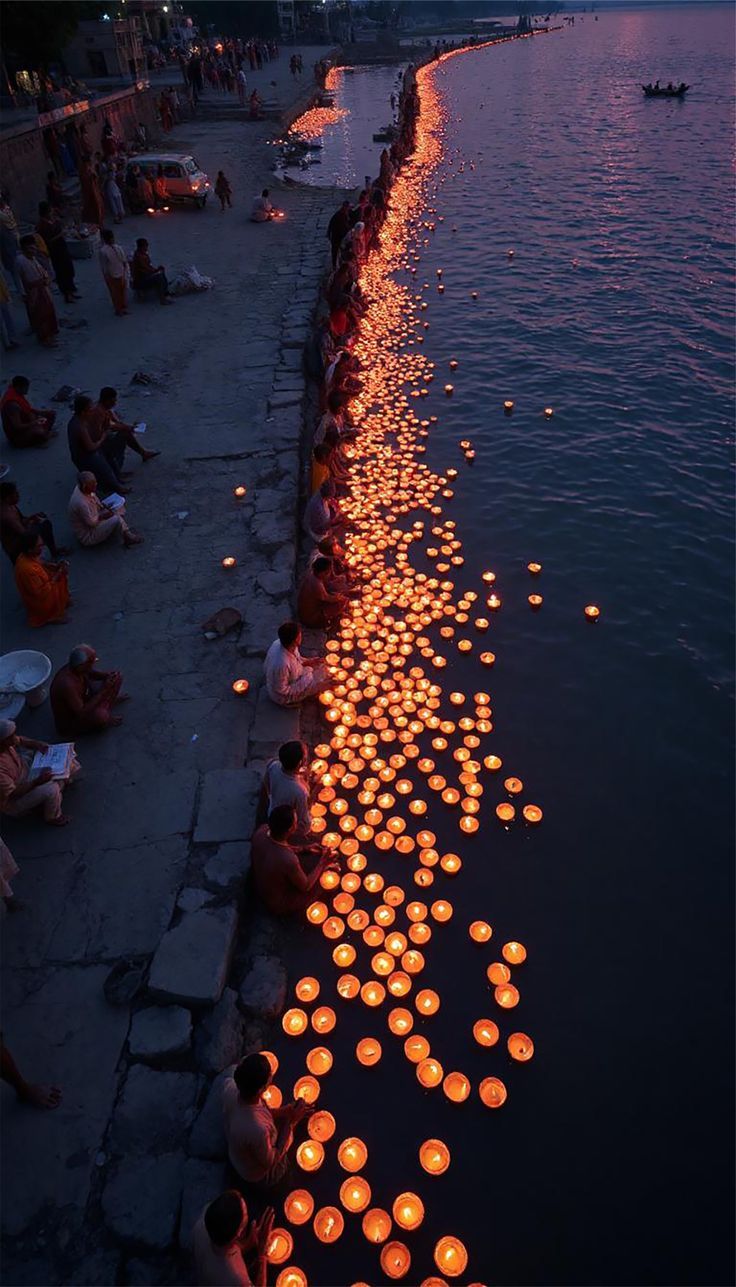
The Panchkroshi Yatra (पंचकोशी यात्रा) is the sacred parikrama around the whole of Kashi: an 88 km circuit that begins and ends at Manikarnika, with five padavs (halts), Kardameshwar, Bhimchandi, Rameshwar, Shivpur and Kapildhara, and 108 Shiva shrines along the way. Traditionally walked over five days, it is done today either on foot with dharamshala halts or in a single day by vehicle. varanasiayodhyatours.com plans both versions, the sankalp, the route and the pace, on WhatsApp.
View Details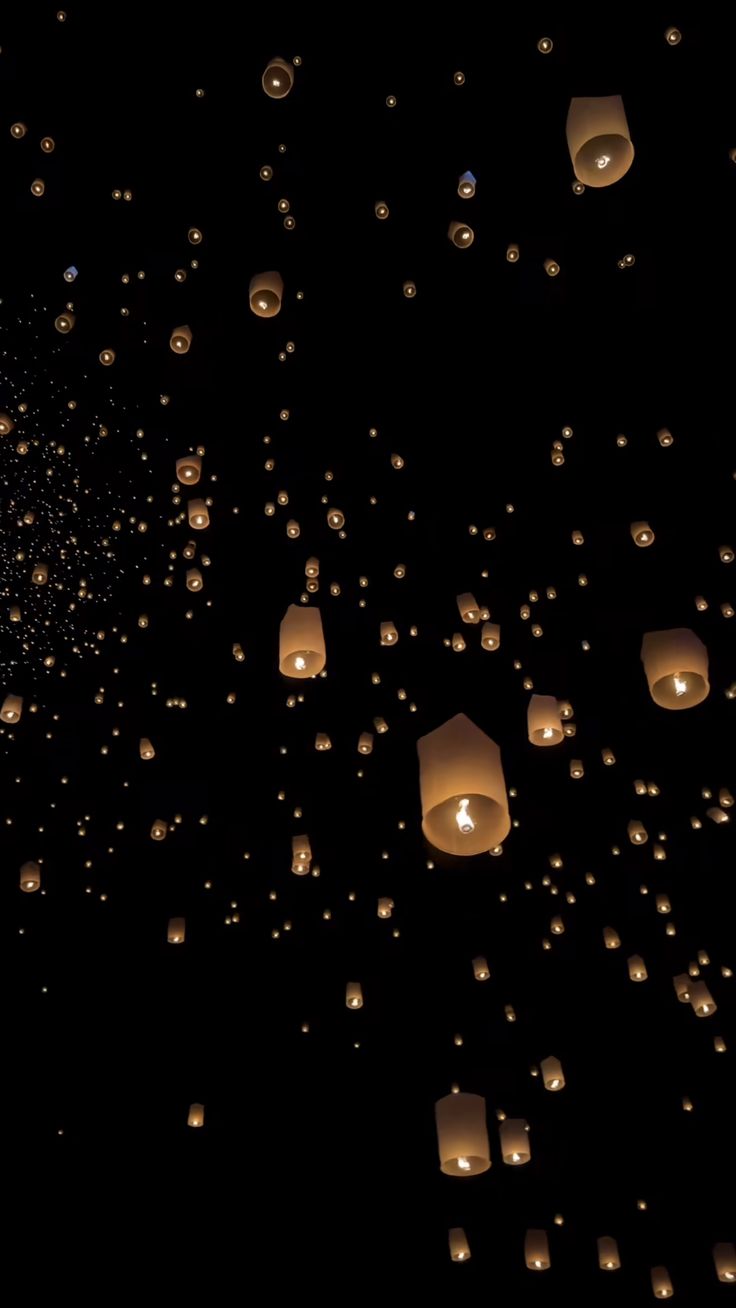
Subah-e-Banaras (सुबह-ए-बनारस) is Varanasi's daily dawn ritual at Assi Ghat: begun on 24 November 2014, it opens in the Brahma Muhurta before sunrise with Vedic chanting and a hawan, a morning Ganga aarti to the rising sun, then live Banaras Gharana classical music and an open yoga session on the ghat steps. It runs every morning, is free to attend, and is the contemplative dawn counterpart to the grand evening Ganga Aarti at Dashashwamedh. varanasiayodhyatours.com plans the pre-dawn pickup, the seating and a sunrise boat around it, on WhatsApp.
View Details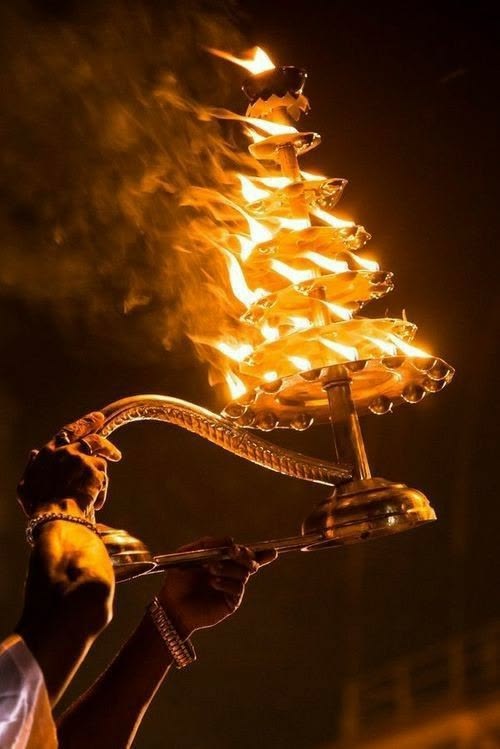
The Nageshwarnath temple (नागेश्वरनाथ) is Ayodhya's ancient presiding Shiva shrine, at Ram ki Paidi on the banks of the Saryu, said to have been established by Kush, the son of Lord Rama. In a city given to Rama, it is the great centre of Shiva worship, coming alive above all at Maha Shivratri, with its famous Shiva Baraat, and through the month of Sawan. varanasiayodhyatours.com plans the darshan and the Shiva festivals around it, on WhatsApp.
View Details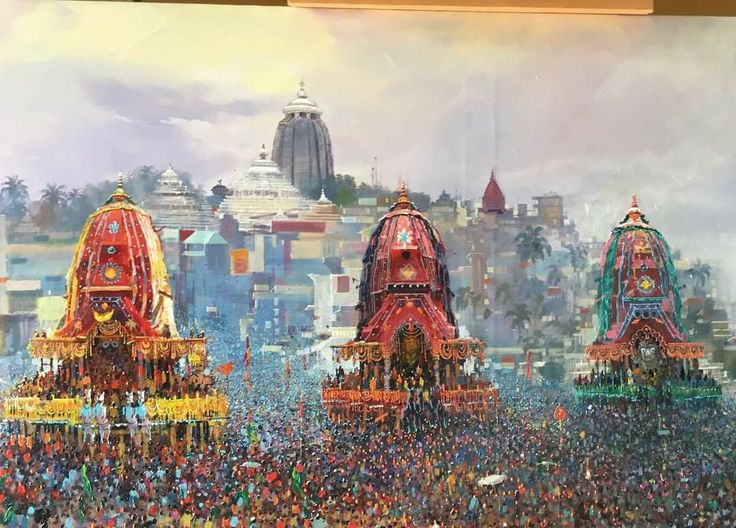
The Panchkroshi Yatra (पंचकोशी यात्रा) is the sacred parikrama around the whole of Kashi: an 88 km circuit that begins and ends at Manikarnika, with five padavs (halts), Kardameshwar, Bhimchandi, Rameshwar, Shivpur and Kapildhara, and 108 Shiva shrines along the way. Traditionally walked over five days, it is done today either on foot with dharamshala halts or in a single day by vehicle. varanasiayodhyatours.com plans both versions, the sankalp, the route and the pace, on WhatsApp.
View Details