1 Day
Pilgrimage
Price on request
Same Day Prayagraj Tour Package
Prayagraj|Pilgrimage
Dawn Sangam Boat & Dip
Bade Hanuman & Fort
Anand Bhavan & Azad Park
 Ayodhya
By Rajeev Sharma
Varanasi-born Pilgrimage Guide
The Sawan Jhula Mela (सावन झूला मेला), Ayodhya's monsoon swing festival, runs through the whole month of Shravan (2026: 30 July to 28 August). Idols of Ram, Sita and Lakshman are placed on beautifully decorated jhulas (swings) in the temples, above all at Kanak Bhawan, and gently swung to bhajans, celebrating the divine family sharing the simple joy of the rains. A grand procession carries the swinging deities to Mani Parvat. varanasiayodhyatours.com plans the jhula darshan and the day around it, on WhatsApp.
Experience Sawan Jhula Mela: Ram and Sita on flower swings through the Ayodhya monsoon with a Kashi-born guide — darshan, stays and boats arranged.
The Jhula Mela runs across the month of Shravan (Sawan), the monsoon month. It traditionally builds from the third day of the bright fortnight and the swinging continues daily until the month's end, dispersing on Shravani Purnima (Raksha Bandhan) with a Saryu snan.
Shravan is the most beloved month of the Hindu calendar, the monsoon, when the land turns green and, by old custom, swings are hung from fresh trees for women to swing and sing on at Teej. Ayodhya extends that joy to its deities: through Shravan, Ram, Sita and Lakshman are seated on flower-decked swings in the temples and gently rocked, so that the divine family too shares the pleasure of the rains. It is a tender, domestic, joyful festival, less about grandeur than about intimacy, the gods at home, at play, in the season everyone loves.
From the ground: for my Telugu and Kannada guests I explain that this is Ayodhya's gentlest festival. There is no vast crowd or grand show; there is Ram and Sita on a swing hung with marigolds, the rain outside, and bhajans, and it is quietly one of the loveliest things you can see in the city.
The Jhula, the swing, is the heart of it. In each temple the deities are placed on ornate swings, silver, wooden or flower-wrapped, and swung to song; devotees may take part in the swinging, held to be an act of great devotion and merit. City temples are dressed in monsoon flowers and greenery, and daily bhajans and special aartis fill the month. It celebrates divine intimacy, the belief that Ram, Sita and Lakshman lived as a family in Ayodhya and shared its simple seasonal pleasures, the swing chief among them.
Kanak Bhawan, the golden-interior temple of Ram and Sita as a married couple, said to have been Sita's palace, is the most beautifully decorated temple of the Jhula Mela and its natural centre. Its idols of Ram and Sita in golden crowns, set on a flower swing amid the monsoon decoration, are the image of the festival. It is the same temple that shines at Vivah Panchami and Sita Navami; in Shravan it is at its tender, rain-washed best.
The Mela's grand public moment is the procession: on the opening day, idols from Ayodhya's temples are carried in a joyful procession to Mani Parvat, the small sacred hill, where a great swing ceremony is held before crowds gathered from across India, then the deities are returned to their temples and the daily swinging continues through the month. Mani Parvat becomes a fairground, with bhajans, stalls and, in the modern mela, rides and street food, the festive, family face of the devotional month.
The Sawan Jhula Mela is one of Ayodhya's most distinctive and least-known festivals, a "uniquely Ayodhya tradition," and quite unlike the marquee events. Where Ram Navami and Deepotsav are vast, this is gentle and green; where they draw enormous crowds, this is moderate and darshan is relatively easy. For a visitor who wants Ayodhya at its most intimate and beautiful, a rainy month of gods on flower swings, it is the quiet jewel of the calendar.
Shravan is also Shiva's month, and Ayodhya keeps that too: at the Nageshwarnath temple, the city's ancient Shiva shrine, Sawan brings Jal Abhishek and Monday worship, just as Sawan in Kashi turns the whole of Varanasi to Shiva. So an Ayodhya Shravan holds both: Ram and Sita on their swings at Kanak Bhawan, and Shiva worshipped at Nageshwarnath, the Vaishnava and the Shaiva sides of the monsoon month in one city.
The Sawan Jhula Mela is free and open: the jhula darshan, the procession and the mela carry no ticket, and Ram Mandir darshan is free with managed slots, so there is no VIP anything to sell. Two honest points. It is monsoon, so expect rain, carry an umbrella, and know that the loveliest images, the flower swings against grey rain, come with wet lanes and the odd downpour. And the peak procession day is busier than the quiet daily swinging, so tell us whether you want the grand Mani Parvat procession or a calm temple jhula, and we plan the right day. What we honestly arrange is the timing, the Kanak Bhawan darshan at a gentle hour, the procession vantage if you want it, and a guide who tells the tradition, not access, which is open to all.
Fly into Maharishi Valmiki International Airport, Ayodhya Dham (AYJ), or Lucknow (about 135 km); trains serve Ayodhya Dham Junction and Ayodhya Cantt. From Varanasi it is about 200 km, roughly four hours by Innova, the route our two-city itineraries run. It is monsoon, so allow for rain-slowed roads. Full detail in the How to Reach Varanasi guide.
Our packages base guests in comfort with a private Innova; the Jhula Mela is a moderate-crowd, month-long festival, so stays are easier than at Ram Navami or Deepotsav, though Shravan weekends and the procession day are busier. More in the Stay & Hotels guide.
Because the Jhula Mela runs all Shravan, it pairs with the Shiva side of the month: a Sawan itinerary can hold the Kanak Bhawan jhulas and the Nageshwarnath Jal Abhishek in Ayodhya, and even Sawan in Kashi across the belt. It slots into the 4 Days Ayodhya Varanasi Tour Package, ₹50,000 per couple (₹25,000 per person). A custom Jhula itinerary builds on one flat rate: ₹12,500 per day for two guests, confirmed in writing before any advance. Browse all packages.
It runs through the month of Shravan, 30 July to 28 August 2026 in North India, with daily swinging and a grand opening procession, dispersing on Shravani Purnima (Raksha Bandhan) around 28 August.
Ayodhya's monsoon swing festival: through Shravan, idols of Ram, Sita and Lakshman are placed on flower-decorated swings in the temples and swung to bhajans, celebrating the divine family enjoying the rains.
At Kanak Bhawan above all, the golden temple of Ram and Sita, which is the most beautifully decorated for the festival, and across the city's temples, with a grand procession to Mani Parvat.
On the opening day, idols from Ayodhya's temples are carried in procession to the small sacred hill of Mani Parvat for a great swing ceremony before large crowds, then returned to their temples.
Devotees may take part in the swinging in the temples, which is held to be an act of devotion and merit; your guide will show you the proper, respectful way.
Sawan in Kashi is Shaiva, the whole city worshipping Shiva with Jal Abhishek; the Ayodhya Jhula Mela is Vaishnava, Ram and Sita on swings. Ayodhya keeps the Shiva side too, at Nageshwarnath.
Moderate compared with Ram Navami or Deepotsav, so darshan is relatively easy; the procession day and Shravan weekends are busier.
No; the festival is free and Ram Mandir darshan is free with managed slots. There is no paid VIP; anyone charging for it is selling what does not exist.
An umbrella and rain-ready footwear, it is monsoon; the flower swings against the rain are the festival's beauty, but the lanes are wet.
Very; it is gentle, moderate in crowd and deeply devotional, an ideal Ayodhya festival for an unhurried, tender visit. We plan calm timings and easy vehicle staging.
Experience Sawan Jhula Mela: Ram and Sita on flower swings through the Ayodhya monsoon with a Kashi-born guide — darshan, stays and boats arranged.
Handpicked packages for sacred festivals and destinations.
.webp&w=2048&q=75)
Handpicked travel guides, local insights and practical information to help you plan your spiritual journey with ease.
.74539458.webp&w=2048&q=75)
Timings, entry process, VIP darshan, nearby attractions and important tips.
Fresh insights and useful information for your journey.
More spiritual gatherings across sacred destinations.
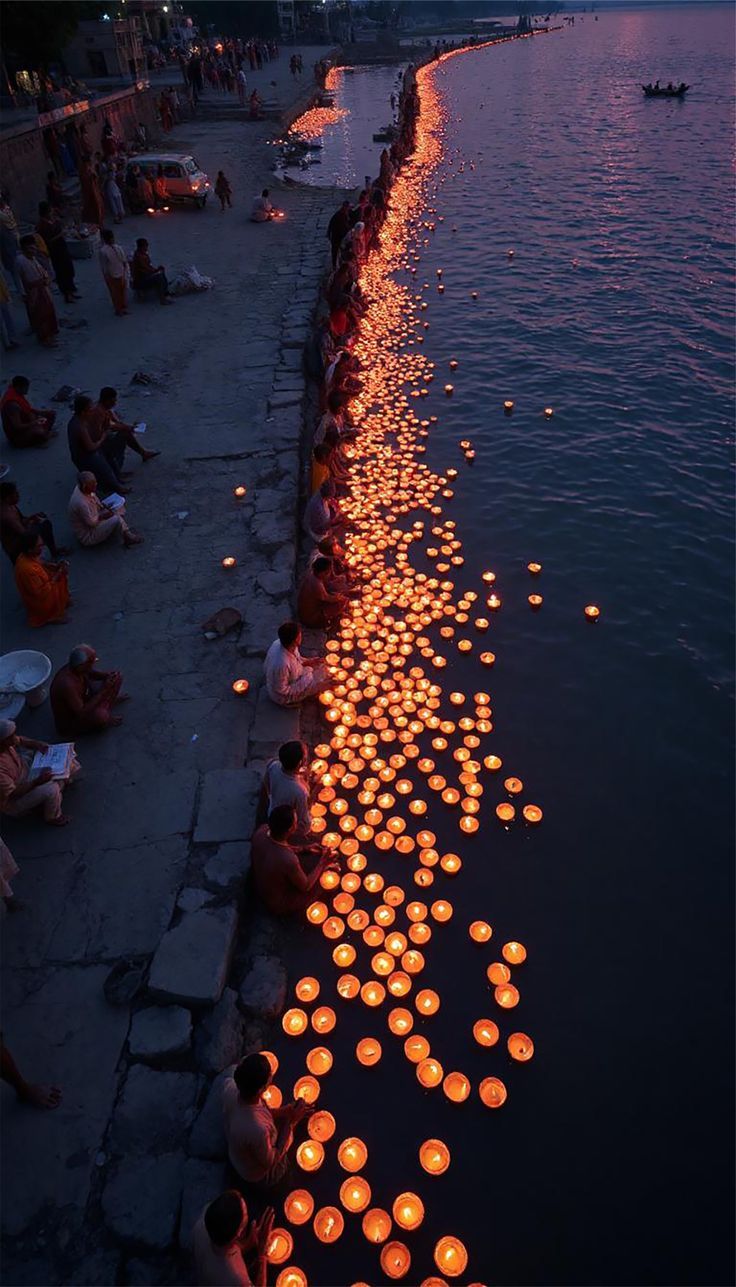
The Panchkroshi Yatra (पंचकोशी यात्रा) is the sacred parikrama around the whole of Kashi: an 88 km circuit that begins and ends at Manikarnika, with five padavs (halts), Kardameshwar, Bhimchandi, Rameshwar, Shivpur and Kapildhara, and 108 Shiva shrines along the way. Traditionally walked over five days, it is done today either on foot with dharamshala halts or in a single day by vehicle. varanasiayodhyatours.com plans both versions, the sankalp, the route and the pace, on WhatsApp.
View Details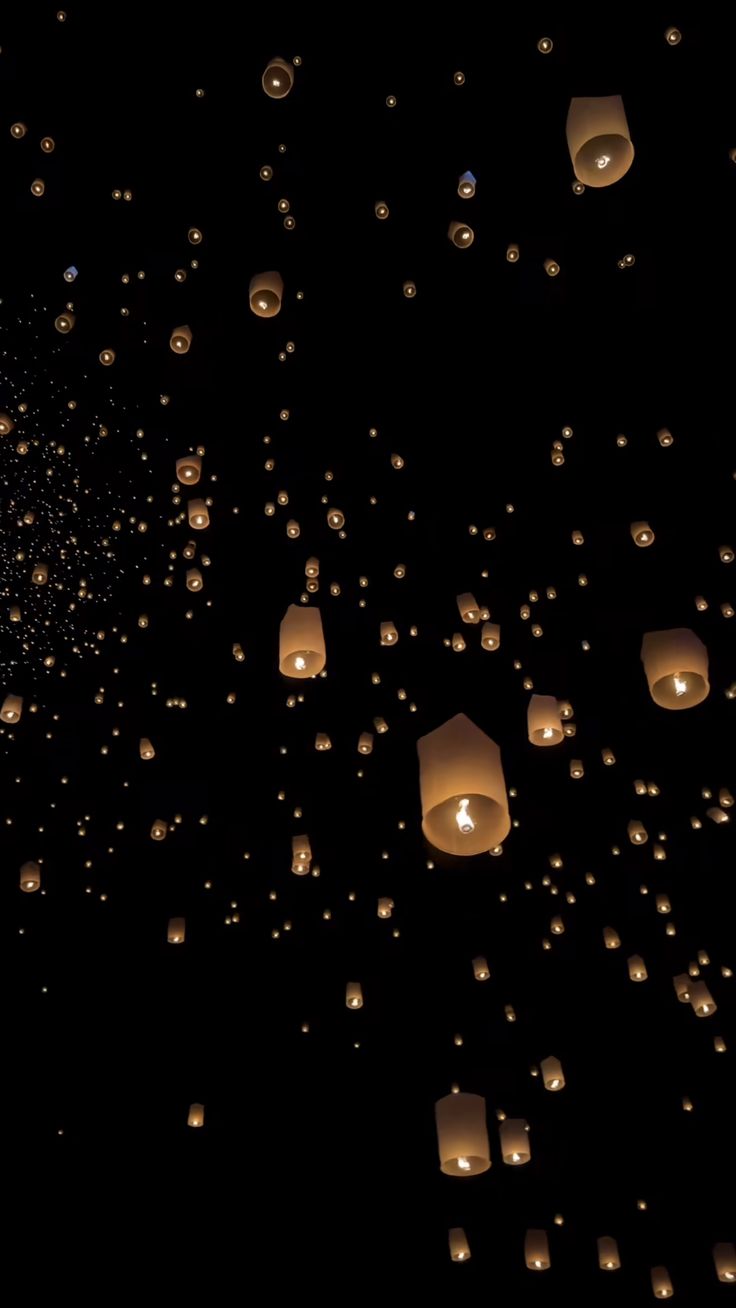
Subah-e-Banaras (सुबह-ए-बनारस) is Varanasi's daily dawn ritual at Assi Ghat: begun on 24 November 2014, it opens in the Brahma Muhurta before sunrise with Vedic chanting and a hawan, a morning Ganga aarti to the rising sun, then live Banaras Gharana classical music and an open yoga session on the ghat steps. It runs every morning, is free to attend, and is the contemplative dawn counterpart to the grand evening Ganga Aarti at Dashashwamedh. varanasiayodhyatours.com plans the pre-dawn pickup, the seating and a sunrise boat around it, on WhatsApp.
View Details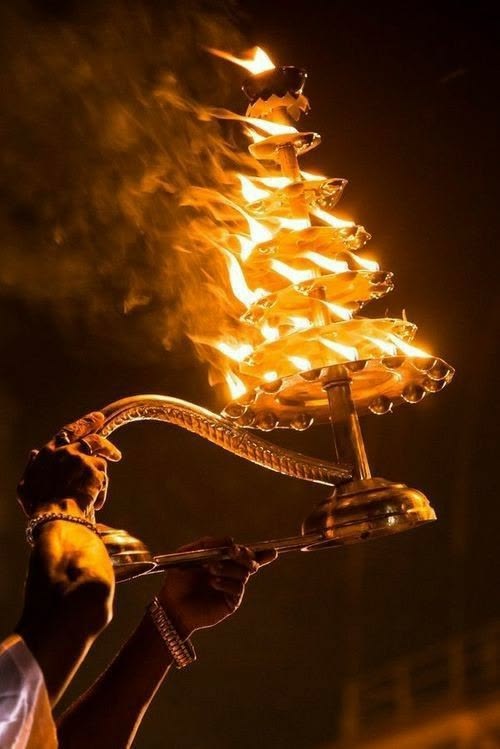
The Nageshwarnath temple (नागेश्वरनाथ) is Ayodhya's ancient presiding Shiva shrine, at Ram ki Paidi on the banks of the Saryu, said to have been established by Kush, the son of Lord Rama. In a city given to Rama, it is the great centre of Shiva worship, coming alive above all at Maha Shivratri, with its famous Shiva Baraat, and through the month of Sawan. varanasiayodhyatours.com plans the darshan and the Shiva festivals around it, on WhatsApp.
View Details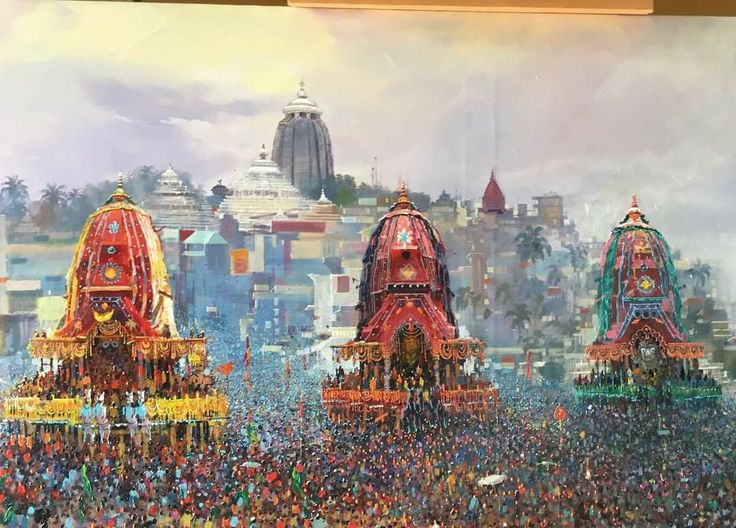
The Panchkroshi Yatra (पंचकोशी यात्रा) is the sacred parikrama around the whole of Kashi: an 88 km circuit that begins and ends at Manikarnika, with five padavs (halts), Kardameshwar, Bhimchandi, Rameshwar, Shivpur and Kapildhara, and 108 Shiva shrines along the way. Traditionally walked over five days, it is done today either on foot with dharamshala halts or in a single day by vehicle. varanasiayodhyatours.com plans both versions, the sankalp, the route and the pace, on WhatsApp.
View Details