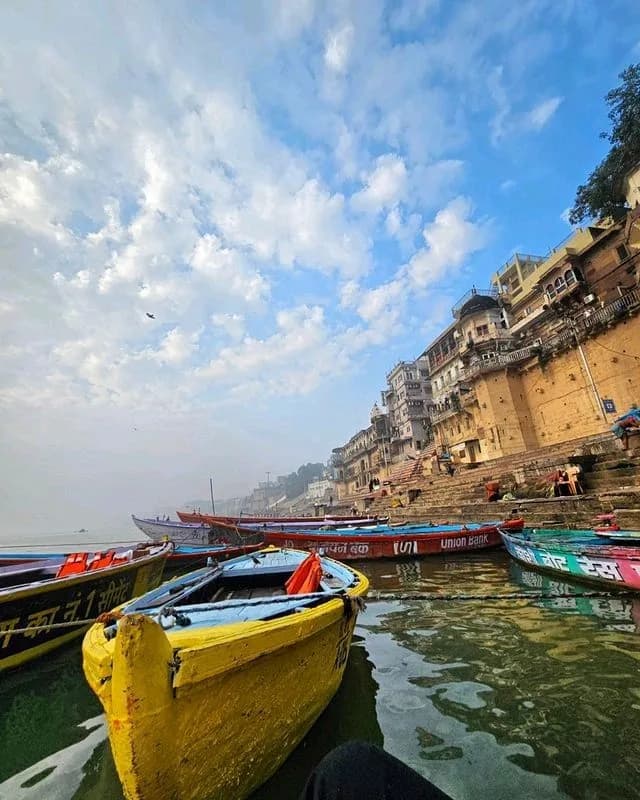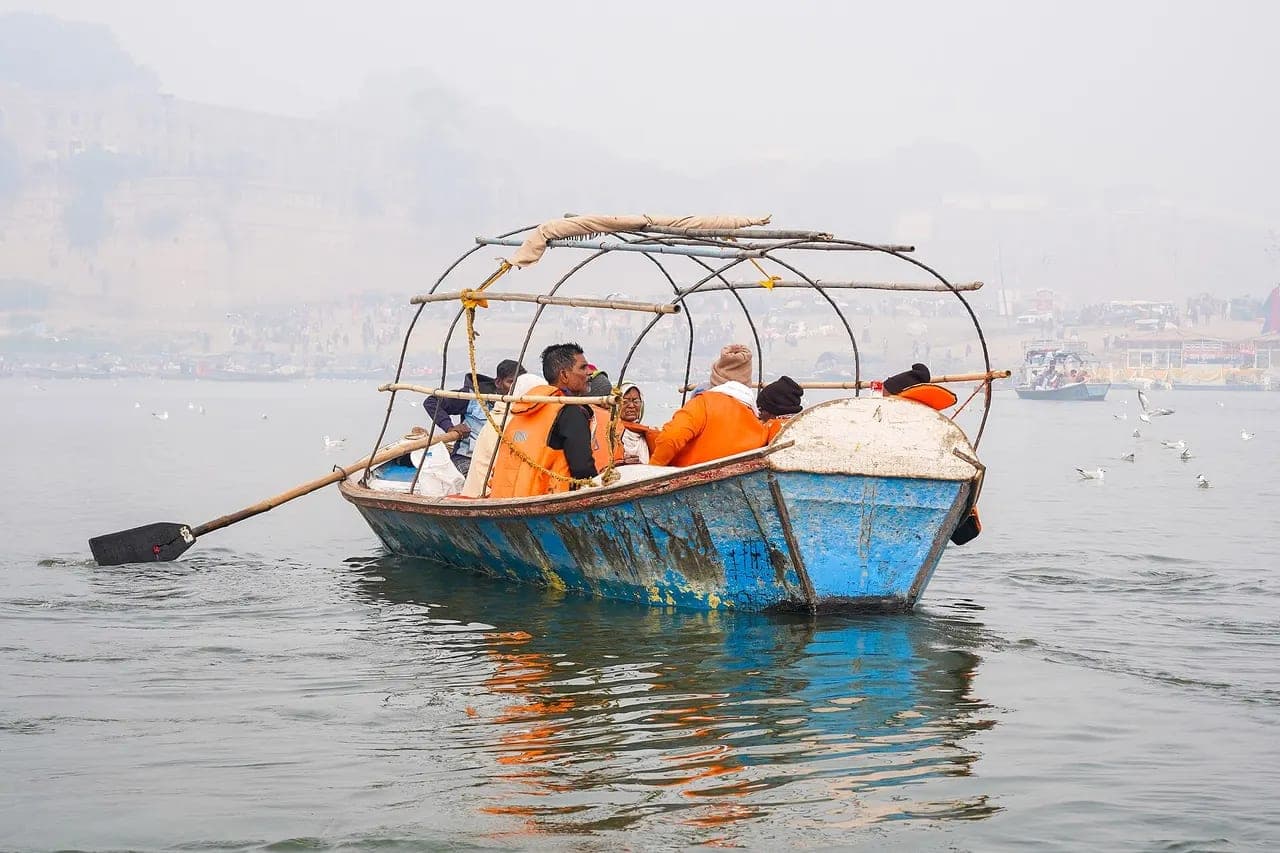
1 Day
Pilgrimage
Price on request
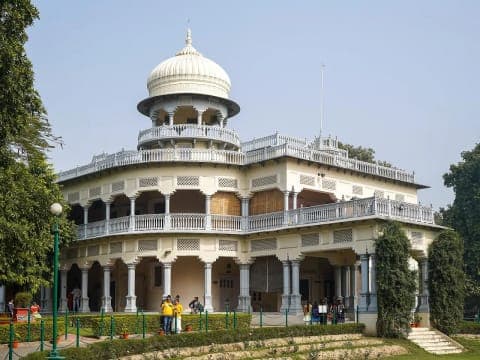
Same Day Prayagraj Tour Package
Prayagraj|Pilgrimage
Dawn Sangam Boat & Dip
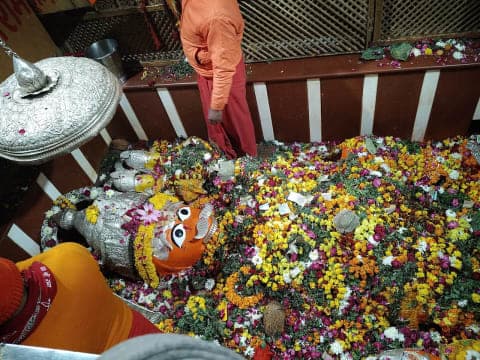
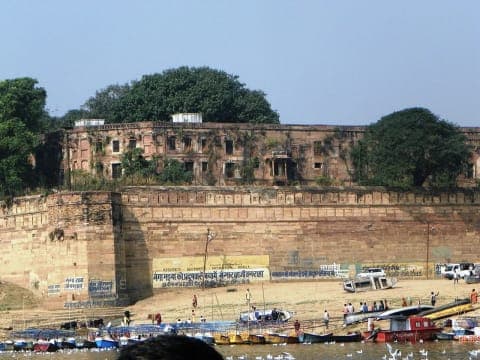
Bade Hanuman & Fort
Anand Bhavan & Azad Park
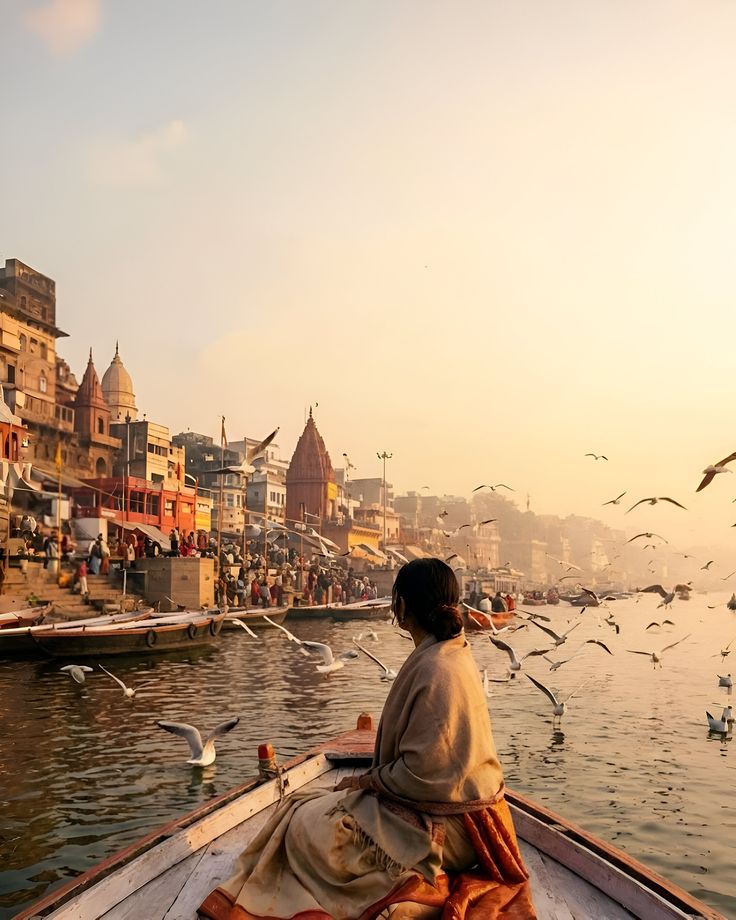
The Kashi Vishwanath Temple, the Dashashwamedh Ganga Aarti, a sunrise boat ride past the 80-plus ghats, and Sarnath, where the Buddha gave his first sermon
Drop your details and we'll craft a personalized spiritual package.
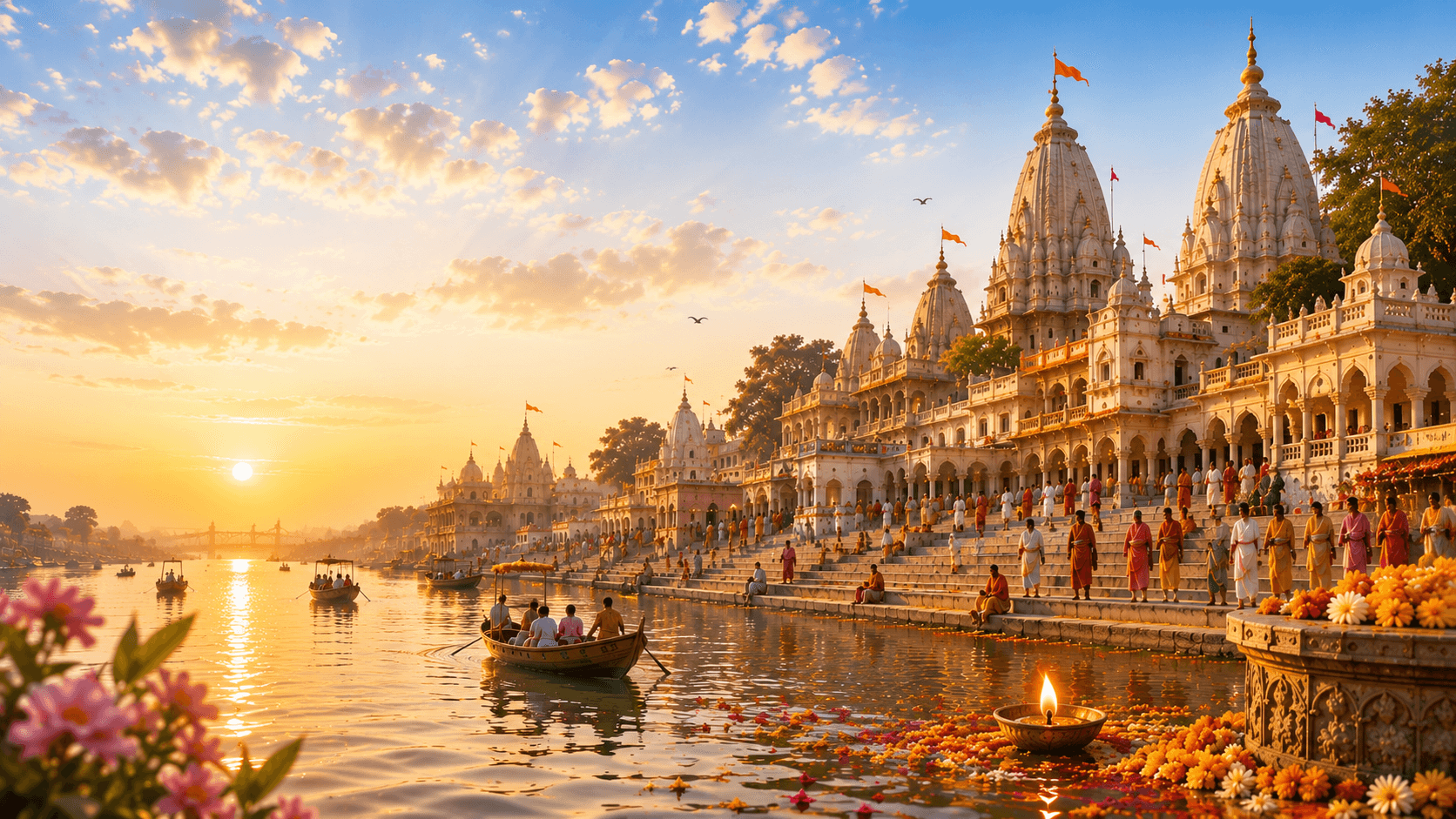
Varanasi, also called Kashi or Banaras, is one of the world's oldest living cities and Hinduism's holiest, set on the western bank of the Ganga. The core experience is the Kashi Vishwanath Jyotirlinga, the evening Ganga Aarti at Dashashwamedh Ghat, a sunrise boat ride past the 84 ghats, and Sarnath nearby. Two days covers the highlights; three is better. October to March is the best season. I am Rajeev Sharma. I was born and raised in Varanasi, and I have guided pilgrims through Kashi, Ayodhya and Prayagraj for more than forty years. This is the guide I wish every first-time visitor had before they arrived. Not a top-ten list, but every place that matters, grouped the way you will actually visit it, with the honest notes on timings and crowds that only come from doing this season after season.
Each of these cities holds a universe of meaning: ancient ghats, living temples, and stories etched into stone over millennia. Here is what each one is known for, and why pilgrims pair them together.
From the ground
“Two darshans of the same temple, on two different mornings, is the single upgrade I push hardest. The first visit you are managing logistics and crowds. The second, you actually pray. After forty years I have stopped apologising for insisting on it.”
Curated itineraries to explore this divine destination.
.webp&w=2048&q=75)
Grouped for quick scanning
Everything you need to know about visiting Varanasi (Kashi).
Topic 01
8 questions
Yes, all three names refer to the same city. Kashi, meaning city of light, is the ancient and spiritual name. Banaras, or Benaras, is the common everyday name. Varanasi is the modern administrative name, taken from the Varuna and Assi streams at the city's two ends. Pilgrims and scripture usually say Kashi; locals often say Banaras.
Varanasi is considered the holiest city in Hinduism and the abode of Shiva. It holds the Kashi Vishwanath Jyotirlinga, one of twelve sacred Shiva shrines. Hindus also believe that dying in Kashi grants moksha, release from the cycle of rebirth, which is why it is a major destination for both pilgrimage and last rites.
Varanasi is one of the oldest continuously inhabited cities in the world, with a history commonly described as spanning several thousand years. Exact dates are debated by historians, but the city appears in very early Sanskrit texts as Kashi. For travel purposes, treat it as one of the oldest living cities on Earth.
The main language is Hindi, with the local Banarasi Bhojpuri dialect widely spoken. Many people in tourist areas, around Assi Ghat and BHU, speak some English. If you are from South India, our guides also speak Telugu and Kannada, which removes the language barrier for darshan and bargaining.
For pilgrims and travellers drawn to spirituality, history and intensity, yes, deeply. It is a place you feel rather than simply see. It is less suited as a first, gentle introduction to India, because open cremations and dense crowds can be overwhelming. Going with a planned itinerary and a guide makes it far more rewarding.
Varanasi is famous for the Kashi Vishwanath Jyotirlinga, the evening Ganga Aarti at Dashashwamedh Ghat, sunrise boat rides past the ghats, the cremation tradition at Manikarnika, Banarasi silk, classic street food, and its classical music heritage as a UNESCO City of Music.
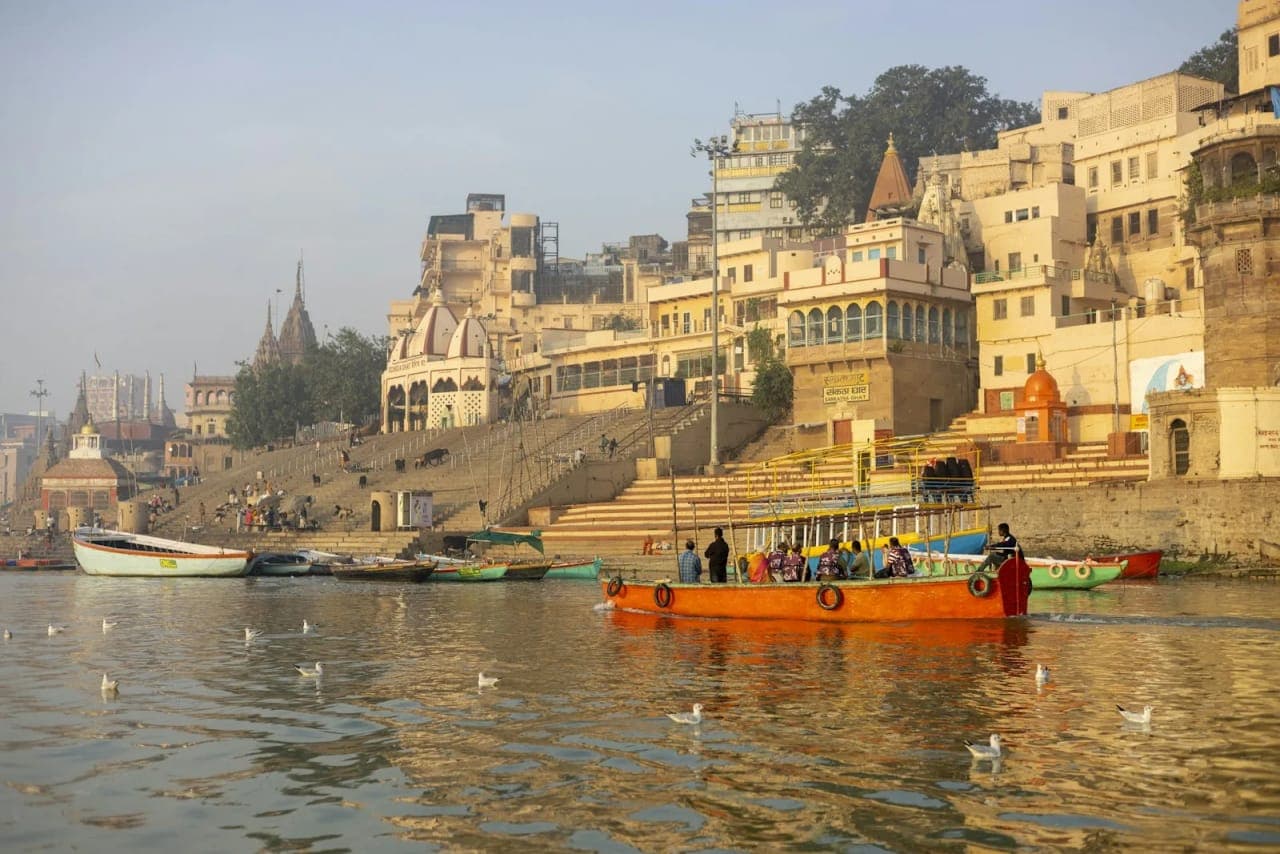
Varanasi is commonly described as having around 84 ghats lining the western bank of the Ganga for roughly 6.5 km. [VERIFY the exact count, as figures vary slightly between sources.] The most visited are Dashashwamedh for the evening aarti, Assi for the morning program, and Manikarnika and Harishchandra, the cremation ghats.
No. While most visitors come for pilgrimage, the city also draws photographers, history lovers, food travellers and those interested in classical music and silk weaving. That said, the spiritual and ritual life of the river is the centre of everything, so even non-religious visitors are immersed in it.
Topic 02
8 questions
Two days covers the essentials: a sunrise boat ride, Kashi Vishwanath darshan, the evening Ganga Aarti and the main temple circuit. Three days lets you add Sarnath and the silk market without rushing. Four or more suits photographers and slow travellers. From experience, never plan a tight one-day trip if darshan matters to you.
October to March is the best season, with comfortable days and clear mornings for boat rides. Summer, April to June, is very hot. The monsoon, July to September, raises the river. Shravan month brings huge Shiva crowds. See our best time to visit guide for festival-by-festival planning.
By air to Lal Bahadur Shastri Airport (VNS) at Babatpur, about 25 km from the city , by train to Varanasi Junction (Cantt), the main station, or by road. The Vande Bharat and many express trains serve the city. Pre-book your transfer to avoid airport and station taxi touts.
For a calm, walkable base near the river, stay around Assi Ghat. For wider roads and easy transport, the Cantonment area near the station works well. Hotels deep in the old city are atmospheric but require walking with luggage through narrow lanes. We match the hotel area to your group's mobility and plan.
It varies widely with hotel class, transport and season. Independent budget trips can be modest, while guided packages with transfers, darshan assistance and good hotels cost more. Message us with your dates and group size for a clear, itemised quote with no hidden charges. [VERIFY current package pricing.]
Yes, with planning. Elders manage well when the hotel is close to the river, transfers are private, darshan is arranged through Sugam to cut queue time, and the day has rest buffers. The old city lanes involve walking and steps, so we route around the hardest stretches for senior pilgrims.
You can explore independently, but a guide saves time and removes the constant touts, especially around the temple, the boats and the silk shops. A local guide also explains the rituals you are watching. For South Indian pilgrims, a Telugu or Kannada speaking guide turns a confusing trip into a smooth one.
One day can cover a sunrise boat ride, Kashi Vishwanath darshan and the evening Ganga Aarti if everything is pre-arranged, but it is tight and leaves no buffer for queues or crowds. If you only have one day, book a Sugam darshan slot and a private boat in advance so you are not standing in line.
Topic 03
7 questions
General darshan is free through the public queue. The temple trust also runs paid official options: Sugam Darshan for fast-track entry, Sparsh Darshan to touch the Jyotirlinga, and aarti passes such as Mangala Aarti. Prices change, so confirm them on the official portal. Unlike some shrines, Kashi has a real, paid fast-track system run by the trust.
Sugam Darshan, the official fast-track ticket, is commonly cited around ₹250 to ₹300 per person, but the temple trust revises fees, so treat this as indicative and confirm on the official portal before booking. Book only through the official channel; lane agents selling "fast passes" are scams.
Sparsh Darshan is the paid, limited-slot option that lets you enter the sanctum and physically touch the Jyotirlinga. It usually requires specific dress, often unstitched cloth, and sells out, so book ahead on the official portal. Fees are commonly cited around ₹300 to ₹500 but change. Our darshan guide covers the rules in detail.
No. Phones, cameras and electronic items are not allowed inside the temple, and there are lockers near the gates for storage. Because your phone is stored, carry a printed copy of any darshan ticket and some cash for offerings. Leather belts and bags are also restricted. [VERIFY current rules.]
Besides Kashi Vishwanath, pilgrims commonly visit Kaal Bhairav, the guardian of Kashi, Sankat Mochan Hanuman, the Durga temple at Durga Kund, Annapurna Devi beside the main temple, Tulsi Manas Mandir, and the calmer New Vishwanath temple in the BHU campus. Each has its own page in this guide.
Many locals advise visiting Kaal Bhairav, the kotwal or guardian of Kashi, first, as a way of seeking permission to be in the city. In practice, most itineraries open with a sunrise boat ride and Kashi Vishwanath darshan. We can sequence the temples to match local custom if that matters to you.
Yes. The Kashi Vishwanath Dham corridor, opened in December 2021, is a large complex that connects the temple directly to the Ganga, with cleaner, wider approaches than the old lanes. [VERIFY exact figures.] It has made darshan far more organised, with clear gates, lockers and helpdesks.
Topic 04
7 questions
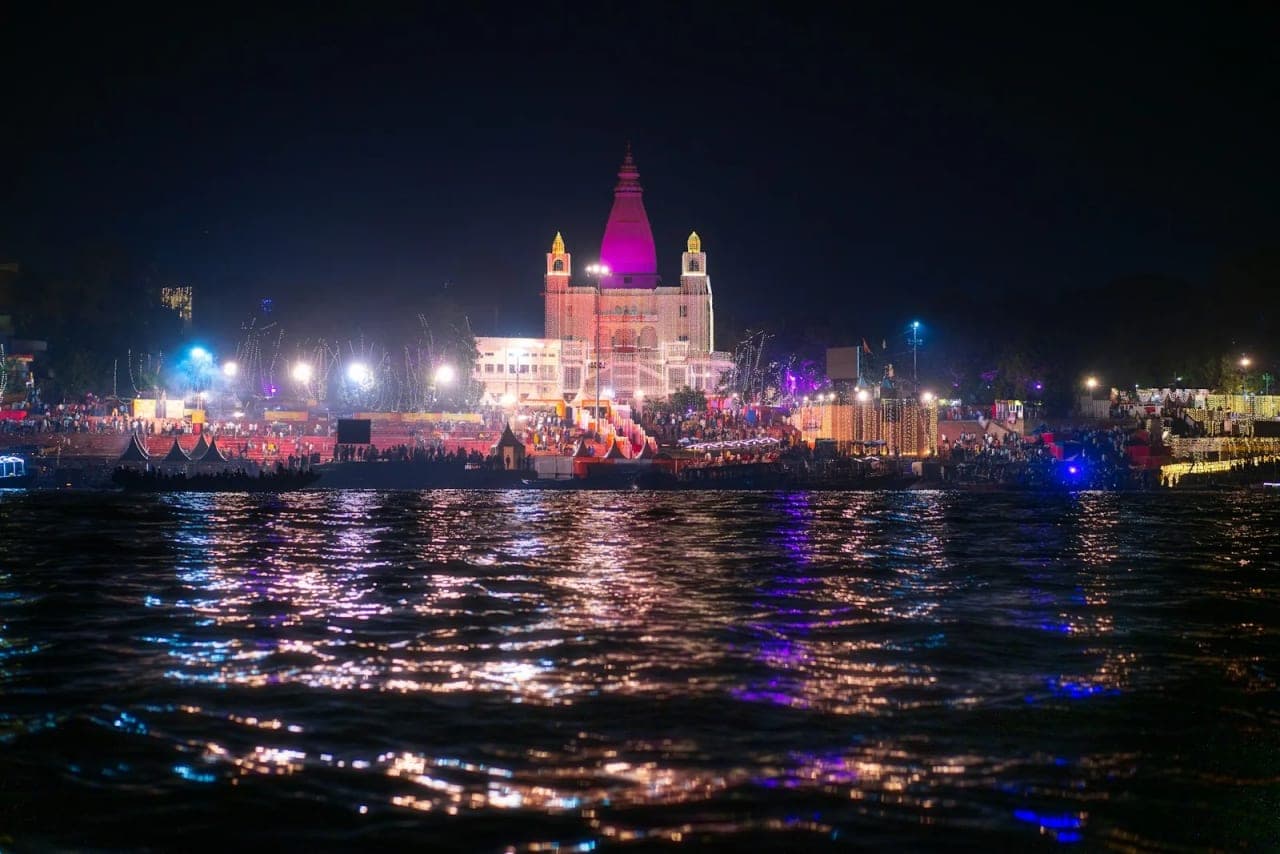
The main evening Ganga Aarti at Dashashwamedh starts around 6:30 PM, shifting earlier to about 6 PM in winter and later to about 7 PM in summer. [VERIFY current time before you go.] Arrive by 6 PM for a spot, or watch from a boat for the best, calmest view of the full ceremony.
A private wooden boat for a small group is commonly cited around ₹1,200 to ₹2,000 total for an hour, depending on season, boat type and bargaining. Agree the full price and route before boarding. Beware boatmen who quote a low per-person rate and then demand more mid-river.
Sunrise, roughly 5:30 to 7 AM, is the classic boat ride, with mist on the river and the ghats waking up. The evening boat lets you watch the Ganga Aarti from the water. Both are wonderful; the sunrise ride is calmer and better for photography.
Yes, and many guides, myself included, recommend it. A boat holds position a few metres off Dashashwamedh Ghat, giving you a complete view of the lamps and away from the densest crowd on the steps. Book the boat in advance so you are not negotiating in the evening rush.
Yes, but it is an active cremation site, not a tourist attraction. You may observe quietly and respectfully from a distance. Photography and video of cremations are strictly not allowed, and you should decline anyone soliciting "donations" for wood. Treat it as you would any funeral.
Many pilgrims take a ritual dip, and it is central to the Kashi experience for the devout. If you do, choose a designated bathing ghat, mind your footing on the steps, and do not swallow the water, as water quality is a real concern. Non-pilgrims often prefer to observe rather than bathe.
Subah-e-Banaras is the morning cultural and spiritual program at Assi Ghat, featuring Vedic chanting, a morning aarti, classical music and yoga at dawn. It is generally free and open to all, and it is a calmer counterpart to the grand evening aarti. Our Subah-e-Banaras page covers timings and what to expect.
Topic 05
4 questions
Varanasi is known for kachori-sabzi and jalebi at breakfast, tamatar chaat, choora matar, thick Banarasi lassi, and malaiyo, a delicate saffron foam available only in winter mornings. Banarasi paan is the classic after-meal ritual. Eat at busy, established stalls and avoid raw cut fruit left in the open.
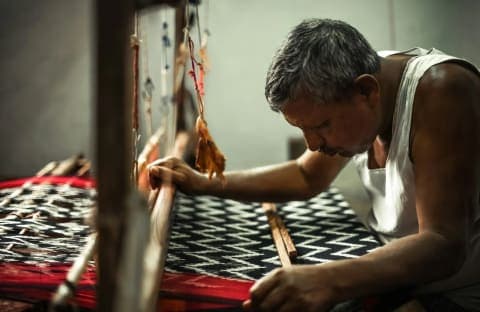
Buy from certified handloom weavers or reputable showrooms, ideally in the weaving neighbourhoods, rather than shops a driver or "guide" steers you to for commission. Real Banarasi silk has a handloom weave and a price to match; very cheap "silk" is usually a polyester blend. Our Banarasi silk page lists what to check.
Yes. Varanasi is a UNESCO City of Music and home to the Banaras gharana traditions that produced maestros across sitar, shehnai, tabla and vocal music. The riverfront, temples and old havelis have hosted music for centuries. Our music heritage page covers where to experience live performances.
Banarasi silk sarees and scarves, brass and ritual items, wooden toys, rudraksha beads, and packaged Banarasi paan or sweets are popular. For silk especially, buy from certified sources. Always agree prices before any "guide" leads you into a shop, as commission markups are common.
Topic 06
8 questions
Yes, Varanasi is generally safe, with rare violent crime against visitors. The real challenges are persistent touts, overcharging and crowd density rather than danger. Keep your bag in front in crowds, agree fares up front, dress modestly, and avoid isolated lanes late at night. Daytime around the main ghats feels very secure.
It can be, with care. Base yourself near Assi Ghat, which is calmer and traveller-friendly, do your ghat visits in daylight, dress conservatively, pre-book transport, and keep emergency numbers handy. Sensory overload and persistent touts are the main issues. Many solo women visit comfortably; a planned trip or guide makes it easier.
The frequent ones are fake "VIP aarti seat" sellers, "secret back door" darshan agents, fake priests demanding donations after an unsolicited blessing, boat touts who raise the price mid-river, the Manikarnika "cremation wood donation" pressure, and commission silk shops. Knowing them in advance defuses almost all of them.
Pre-book your boat, or agree the full total price and route in writing before stepping in, never a per-person rate that can be renegotiated mid-river. Avoid boatmen who approach you aggressively on the steps. A legitimate private boat for a group is a fixed total, confirmed before you board.
Quiet, distant observation is accepted, because cremation here is open and public by tradition. What is disrespectful, and often dangerous, is photographing or filming the pyres, laughing or talking loudly, or treating it as a show. Put your phone away entirely, keep your distance, and decline donation solicitations.
Dress modestly, covering shoulders and knees, both out of respect and to reduce unwanted attention. For temple darshan, traditional attire is best, and sanctum entry for Sparsh Darshan may require unstitched cloth. Comfortable walking shoes are essential for the lanes and steps. Light cottons in summer, a layer for winter mornings.
Do not drink tap water; use sealed bottled water, including for brushing teeth. Do not swim in the Ganga for leisure, as bacterial levels are high. Devout pilgrims take a brief ritual dip at designated ghats and avoid swallowing the water. Eat at busy, freshly cooked stalls to avoid stomach trouble.
Around some temples and rooftops, yes. Monkeys may snatch food, glasses or phones. Do not carry visible food near temple areas, hold your belongings firmly, and do not tease them. Many hotels near the ghats use wire mesh for this reason. Stay calm and they generally leave you alone.
Topic 07
5 questions
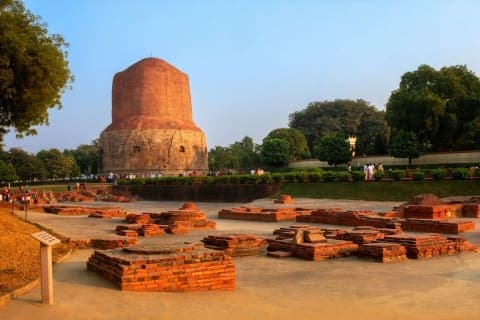
Yes. Sarnath, about 10 km away, is where the Buddha gave his first sermon, and it offers a calm contrast to the intense city. The Dhamek Stupa, the Ashoka pillar site and the archaeological museum make an easy half-day. It is also the start of the Buddhist circuit toward Bodhgaya.
Dev Deepawali, on Kartik Purnima in November, is Varanasi's most spectacular festival, when all the ghats are lit with lakhs of earthen lamps at dusk and the riverfront glows. It draws huge crowds, so boats and hotels must be booked weeks ahead. Our Dev Deepawali page covers dates and viewing.
Yes, this is one of the most popular circuits. Varanasi, Prayagraj and Ayodhya together cover the Ganga, the Triveni Sangam and Ram Lalla. We run it as a single package with transfers, hotels and darshan assistance. It pairs naturally for pilgrims who want the full North Indian Hindu circuit in one trip.
Yes. Varanasi, Sarnath and Bodhgaya form the classic Buddhist circuit, following the Buddha's path from his first sermon at Sarnath to his enlightenment at Bodhgaya. We arrange this as a guided package. It suits travellers interested in Buddhist heritage alongside or instead of the Hindu pilgrimage.
Mahashivratri falls on the 14th night of the dark fortnight in the month of Phalguna, usually February or March. [VERIFY the exact date each year.] It is one of the busiest days at Kashi Vishwanath, with extremely long queues, so book a Sugam slot well in advance and expect crowds.
Topic 08
6 questions
Yes. This is our core strength for South Indian pilgrims. Rajeev and our team speak Telugu and Kannada alongside Hindi, so darshan, rituals, food and bargaining all happen in your language. It removes the biggest barrier most Andhra, Telangana and Karnataka pilgrims face in the North.
Yes. We arrange South Indian meals and pure-vegetarian options as part of guided packages, so food is never a worry. Tell us your preferences when booking and we plan around them, including for elders who prefer familiar food throughout the trip.
Message us on WhatsApp at +91 7302265809 with your dates, group size and what you want to include, darshan, Ganga Aarti, Sarnath or a wider circuit. We send a clear, itemised quote with hotels, transfers and darshan assistance. We are Experience My India, rated 4.5 stars with 50,000+ guests served since 2018.
Typically airport or station transfers, hotel in a sensible location, a private boat for the aarti or sunrise, darshan slot guidance for Kashi Vishwanath, a Telugu, Kannada or Hindi speaking guide, and optional Sarnath and circuit add-ons. The point is no touts, no queuing confusion, and a calm trip. We tailor it to your group.
Independent travel can have a lower headline cost, but you absorb the touts, the overcharging and the wasted time in queues. A package costs more upfront and removes those frictions, with darshan, transfers and a guide handled. For first-time visitors, elders and South Indian pilgrims, the package usually pays for itself in peace of mind.
For ordinary dates, a few weeks is comfortable. For Dev Deepawali, Mahashivratri, Shravan Mondays and the main festival windows, book hotels, boats and darshan slots four to six weeks ahead, as everything fills and prices rise. Tell us your dates early and we lock in the scarce pieces first.
Still have a question?
Message Rajeev on WhatsApp