1 Day
Pilgrimage
Price on request
Same Day Prayagraj Tour Package
Prayagraj|Pilgrimage
Dawn Sangam Boat & Dip
Bade Hanuman & Fort
Anand Bhavan & Azad Park
 Bodh Gaya, Bihar
By Rajeev Sharma
Varanasi-born Pilgrimage Guide
Bodh Gaya (बोध गया) in Bihar is the holiest site in Buddhism: the place where Siddhartha Gautama attained enlightenment under the Bodhi Tree and became the Buddha. Its Mahabodhi Temple, a UNESCO World Heritage Site, is open daily 5 AM to 9 PM with free entry, and marks the Vajrasana, the diamond throne where he sat. Bodh Gaya is about 250 km from Varanasi, the natural second stop after Sarnath on the Buddhist circuit. varanasiayodhyatours.com plans the circuit from a Varanasi base, on WhatsApp.
Experience Bodh Gaya: where a prince sat down and rose as the Buddha with a Kashi-born guide — darshan, stays and boats arranged.
Of the four great pilgrimage sites the Buddha himself named, his birth at Lumbini, his first sermon at Sarnath, his enlightenment at Bodh Gaya and his parinirvana at Kushinagar, Bodh Gaya is the pivotal one. Under a peepal tree on the banks of the Niranjana (Phalgu) river, the prince who had left a palace to understand suffering sat in meditation and, tradition says, touched the earth to witness his awakening, breaking the illusions of Mara. Without this moment under this tree there would be no Dharma and no Sangha; every Buddhist tradition on earth, Theravada, Mahayana and Vajrayana, traces its lineage to this single spot. The Mahabodhi Temple, first built by Emperor Ashoka in the 3rd century BCE and standing in its present brick form from the 5th to 6th century, marks it.
From the ground: for my Telugu, Kannada and international guests, I pace Bodh Gaya slowly. You do not rush the place the whole religion begins; you sit under the tree, and I tell the story of the seven weeks as the monks chant around you.
The Bodhi Tree behind the temple is held to be a direct descendant of the original, itself regrown from a sapling of the Sri Maha Bodhi in Sri Lanka, which came from the first tree. Beneath it sits the Vajrasana, the polished sandstone diamond throne installed by Ashoka to mark the exact seat of enlightenment. Inside the sanctum, a gilded Buddha over five feet high sits in the bhumisparsha mudra, the earth-touching gesture of the awakening. Pilgrims circumambulate the tree and the temple, light lamps, and sit in long silent meditation; this is the still centre of the Buddhist world.
The Buddha spent seven weeks at seven spots near the tree, each marked in the complex, and knowing them turns a walk into a pilgrimage:
Bodh Gaya pairs naturally with Sarnath: the enlightenment and the first sermon, the two circuit sites reachable without backtracking, since Sarnath sits just outside Varanasi and Bodh Gaya is about 250 km on. Extend to Kushinagar for the parinirvana and the circuit is complete. We build it from a Varanasi start by private Innova, at the pace a pilgrimage deserves.
On Buddha Purnima, the Vaishakha full moon, Bodh Gaya is at its most intense: the Bodhi Tree is decorated, prayers run through the night, the Dhamma Yatra processes, and pilgrims from every Buddhist nation gather. It falls on Friday, 1 May 2026. The town's rooms are scarcest then; book early.
November to February is ideal: cool and clear for temple days and monastery walks. Buddha Purnima (early May) is the great gathering but hot and crowded. The monsoon is humid; the winter months are why most international pilgrims come between November and February, which is also the season of the Kalachakra when it is held here.
Gaya International Airport is about 15 km away, with links to Kolkata and seasonal Southeast Asian pilgrim routes; Gaya Junction is about 16 km, on the main rail network. From Varanasi it is about 250 km, a five to six hour drive we run by private Innova Crysta, taking in Sarnath as the same circuit. Full transfer detail in the How to Reach Varanasi guide.
Bodh Gaya has everything from monastery guesthouses to comfortable hotels; many pilgrims choose a monastery stay for the dawn chanting. Our circuit guests are based in comfort with the Innova on the runs, and we can arrange a Bodh Gaya night on the circuit itinerary. More in the Stay & Hotels guide.
The Buddhist Circuit Package, ₹75,000 per couple, traces all three sites over six days. The 4 Days Ayodhya Varanasi Tour Package, ₹50,000 per couple (₹25,000 per person), already includes Sarnath and can extend to Bodh Gaya on request. Browse all packages.
For ancestral rites, see the Hindu Gaya pind daan package.
Open daily 5:00 AM to 9:00 PM. Entry is free; a small fee applies only for photography (around ₹200 camera, ₹300 video).
It is where the Buddha attained enlightenment under the Bodhi Tree, the holiest and most pivotal of Buddhism's four great pilgrimage sites, and a UNESCO World Heritage Site.
It is held to be a direct descendant of the original, regrown through a sapling of the Sri Maha Bodhi in Sri Lanka. The Vajrasana beneath it marks the exact seat of enlightenment.
About 250 km, a five to six hour drive, which pairs it with Sarnath as a single Buddhist circuit without backtracking.
Two to three days for a meaningful visit: a day for the Mahabodhi Temple and Bodhi Tree, a day for the monasteries and the Great Buddha Statue, and a half-day for Sujata and the Dungeshwari Caves.
The Buddha named them himself: Lumbini (birth), Bodh Gaya (enlightenment), Sarnath (first sermon) and Kushinagar (parinirvana).
No, entry is free; only photography carries a small fee. There is no VIP tier; a guide adds understanding, not access.
Friday, 1 May 2026, the Vaishakha full moon, when Bodh Gaya is at its most intense and its rooms are scarcest.
Yes; that is the natural circuit, run from a Varanasi base by Innova, with Kushinagar added for the full four-site pilgrimage.
Yes; the complex is walkable and calm, and we pace it gently with close vehicle staging and a guide in your language.
Experience Bodh Gaya: where a prince sat down and rose as the Buddha with a Kashi-born guide — darshan, stays and boats arranged.
Handpicked packages for sacred festivals and destinations.

.webp&w=2048&q=75)
Handpicked travel guides, local insights and practical information to help you plan your spiritual journey with ease.
.74539458.webp&w=2048&q=75)
Timings, entry process, VIP darshan, nearby attractions and important tips.
Fresh insights and useful information for your journey.
More spiritual gatherings across sacred destinations.
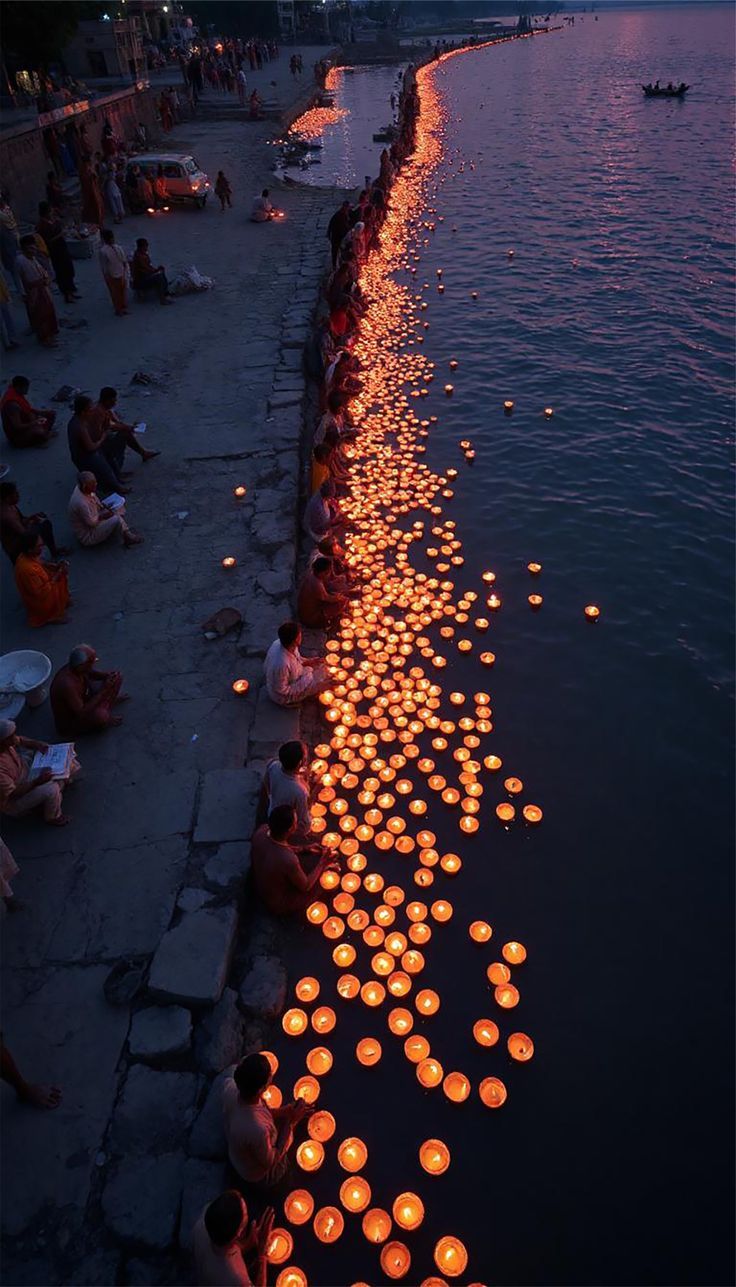
The Panchkroshi Yatra (पंचकोशी यात्रा) is the sacred parikrama around the whole of Kashi: an 88 km circuit that begins and ends at Manikarnika, with five padavs (halts), Kardameshwar, Bhimchandi, Rameshwar, Shivpur and Kapildhara, and 108 Shiva shrines along the way. Traditionally walked over five days, it is done today either on foot with dharamshala halts or in a single day by vehicle. varanasiayodhyatours.com plans both versions, the sankalp, the route and the pace, on WhatsApp.
View Details
Subah-e-Banaras (सुबह-ए-बनारस) is Varanasi's daily dawn ritual at Assi Ghat: begun on 24 November 2014, it opens in the Brahma Muhurta before sunrise with Vedic chanting and a hawan, a morning Ganga aarti to the rising sun, then live Banaras Gharana classical music and an open yoga session on the ghat steps. It runs every morning, is free to attend, and is the contemplative dawn counterpart to the grand evening Ganga Aarti at Dashashwamedh. varanasiayodhyatours.com plans the pre-dawn pickup, the seating and a sunrise boat around it, on WhatsApp.
View Details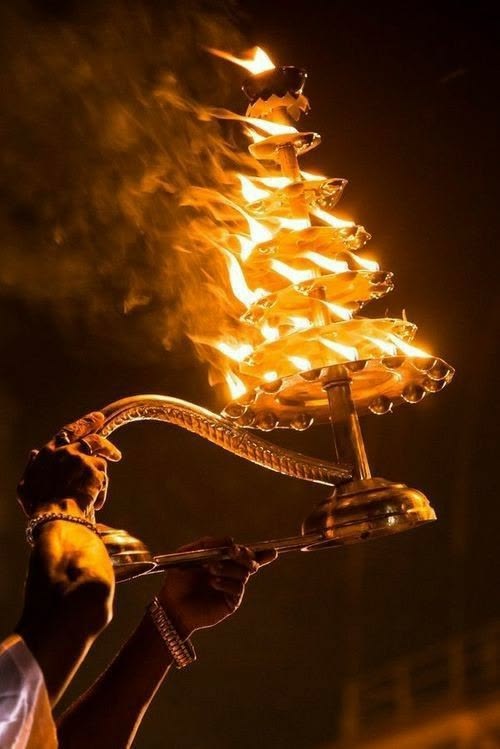
The Nageshwarnath temple (नागेश्वरनाथ) is Ayodhya's ancient presiding Shiva shrine, at Ram ki Paidi on the banks of the Saryu, said to have been established by Kush, the son of Lord Rama. In a city given to Rama, it is the great centre of Shiva worship, coming alive above all at Maha Shivratri, with its famous Shiva Baraat, and through the month of Sawan. varanasiayodhyatours.com plans the darshan and the Shiva festivals around it, on WhatsApp.
View Details
The Panchkroshi Yatra (पंचकोशी यात्रा) is the sacred parikrama around the whole of Kashi: an 88 km circuit that begins and ends at Manikarnika, with five padavs (halts), Kardameshwar, Bhimchandi, Rameshwar, Shivpur and Kapildhara, and 108 Shiva shrines along the way. Traditionally walked over five days, it is done today either on foot with dharamshala halts or in a single day by vehicle. varanasiayodhyatours.com plans both versions, the sankalp, the route and the pace, on WhatsApp.
View Details