1 Day
Pilgrimage
Price on request
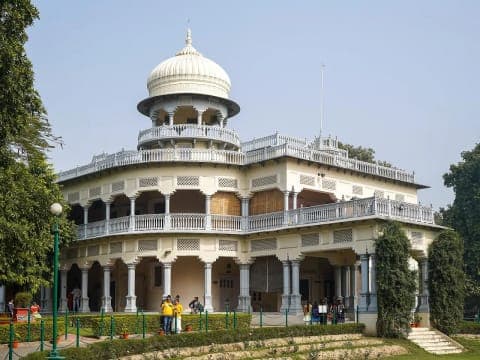
Same Day Prayagraj Tour Package
Prayagraj|Pilgrimage
Dawn Sangam Boat & Dip
Bade Hanuman & Fort
Anand Bhavan & Azad Park
 Varanasi
By Rajeev Sharma
Varanasi-born Pilgrimage Guide
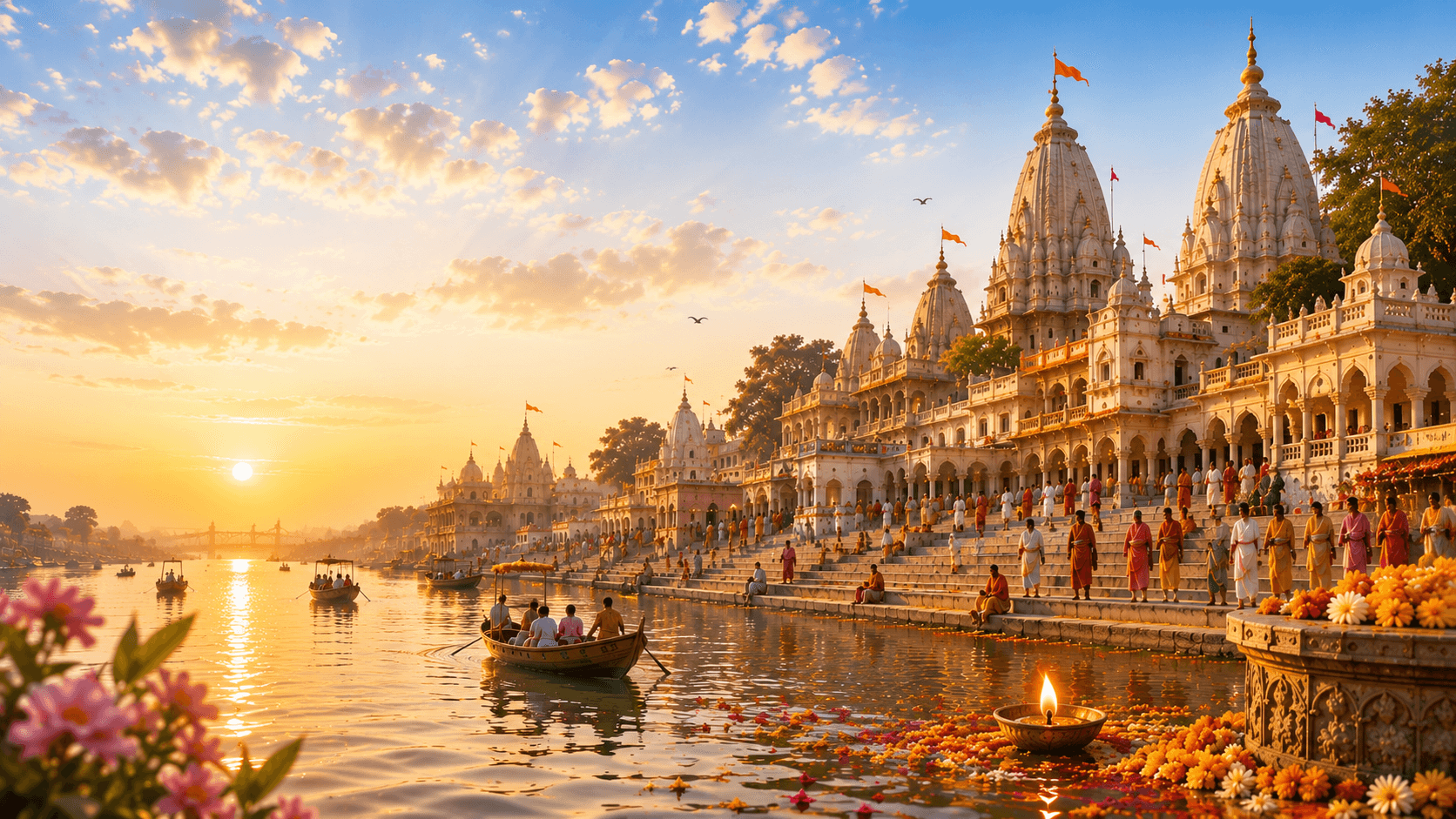
Chhath Puja (छठ पूजा) is the four-day Sun festival of Surya and Chhathi Maiya, running 13 to 16 November 2026. On the ghats of the Ganga in Varanasi, vratins stand in the river to offer arghya to the setting sun on the evening of 15 November and to the rising sun at dawn on 16 November, breaking a 36-hour waterless fast. varanasiayodhyatours.com arranges ghat-side stays, a boat vantage and the whole Kashi visit around it, on WhatsApp.
Experience Chhath Puja on the ghats: the Sun worshipped face to face with a Kashi-born guide — darshan, stays and boats arranged.
Chhath falls on the Shashthi of Kartik Shukla Paksha and runs four days. The two arghyas, to the setting and the rising sun, are the heart of it, and they follow the local Varanasi sunset and sunrise.
Chhath thanks Surya, the visible source of life, and honours Chhathi Maiya, the goddess of the sixth day who protects children and grants wellbeing. It is one of the very few Hindu festivals with no idol, no temple and no priest between the devotee and the deity: you stand in the water and address the Sun directly, as the Rig Veda's hymns to Surya and Usha did three thousand years ago, sometimes in those same words, sometimes in Bhojpuri and Maithili folk songs carrying the same meaning. It is unusual in another way too: the household's spiritual centre on these days is openly a woman, the vratin who keeps the 36-hour fast. The tradition is traced in the Mahabharata to Draupadi and the Pandavas, and to Karna, son of Surya, who is said to have offered it standing in the water.
From the ground: I put visiting families at Assi and take them out by boat for the Sandhya Arghya; you see a hundred vratins facing the same setting sun at once, which is the image you came for.
Chhath is a family vrat, not a ticketed event; the ghats are public and free, and there is nothing to buy your way into. That honesty cuts both ways. This is worship, not a show: the vratins around you are on hour thirty of a waterless fast, and the single most important thing a visitor does is stay respectful, keep back from the offerings, and never let non-fasting hands touch the prasad before it is offered. What we actually arrange is the comfortable frame around it: a ghat-side or five-star base so you are minutes from the water, a boat for the arghya vantage, a guide who explains each step in your language, and the timing so you are in place before the sun, not fighting the lane behind it. No fake VIP seats, no paid ghat passes; those do not exist here.
Fly into Lal Bahadur Shastri International Airport (VNS), about 25 km out; trains serve Varanasi Junction, Banaras and Kashi stations. Chhath is one of the busiest travel weeks of the year across eastern UP and Bihar; book transport early. On the arghya evenings and mornings, the ghat lanes are walked, and our package guests are staged by private Innova Crysta at the nearest point that still moves. Full detail in the How to Reach guide.
Our package guests stay at the Taj Ganges or Hilton Varanasi with breakfast, close enough for the dawn arghya without a long pre-dawn drive; the Innova handles the ghat runs. Ghat-side guesthouses put you in the middle of the songs and sell out early for Chhath week. More in the Stay & Hotels guide.
The 4 Days Ayodhya Varanasi Tour Package, ₹50,000 per couple (₹25,000 per person), sits naturally across Chhath week with the ghat evenings built in, Taj or Hilton base and Innova throughout. A dedicated Chhath ghat itinerary, with the boat vantage for both arghyas, builds on one flat rate: ₹12,500 per day for two guests, confirmed in writing before any advance. Chhath falls just after Deepotsav and just before Kartik Purnima, so it pairs with the Ganga Mahotsav + Dev Deepawali package for a full Kartik fortnight. Browse all packages.
Friday 13 to Monday 16 November 2026: Nahay Khay (13th), Kharna (14th), Sandhya Arghya (15th) and Usha Arghya (16th).
Sandhya Arghya is offered at sunset on 15 November, around 5:11 PM in Varanasi; Usha Arghya at sunrise on 16 November. Both shift a few minutes year to year; confirm locally on the day.
To thank Surya, the Sun, for sustaining life, and to honour Chhathi Maiya, who protects children. It is one of the few festivals worshipping the Sun directly, with no idol, temple or priest.
After the Kharna meal on the evening of 14 November, the vratin takes no food or water until after the Usha Arghya at dawn on 16 November: roughly 36 hours, one of the most demanding vrats in the Hindu calendar.
Assi Ghat for organised, family-friendly space; Dashashwamedh for the central intensity; or a boat off the ghat for the full view of both arghyas.
The signature Chhath prasad: a firm wheat-flour, jaggery and ghee biscuit, deep-fried, offered in the soop with fruit and sugarcane and shared after the arghya.
Yes, from a respectful distance. Keep back from the vratins and the offerings, never touch the prasad before it is offered, and treat it as worship rather than a performance.
Extremely, at both arghyas, with dense lanes. Be in place well before sunset on the 15th and before dawn on the 16th, and plan your exit in advance.
It falls in the same Kartik fortnight as Deepotsav (Ayodhya, 7 November) and just before Kartik Purnima and Dev Deepawali in Varanasi, so a single November trip can hold several.
It is kept most fervently there and in the Nepal Terai, but the Varanasi ghats host it grandly, and the diaspora now keeps it on riverbanks worldwide.
Experience Chhath Puja on the ghats: the Sun worshipped face to face with a Kashi-born guide — darshan, stays and boats arranged.
Handpicked packages for sacred festivals and destinations.

.webp&w=2048&q=75)
Handpicked travel guides, local insights and practical information to help you plan your spiritual journey with ease.
.74539458.webp&w=2048&q=75)
Timings, entry process, VIP darshan, nearby attractions and important tips.
Fresh insights and useful information for your journey.
More spiritual gatherings across sacred destinations.
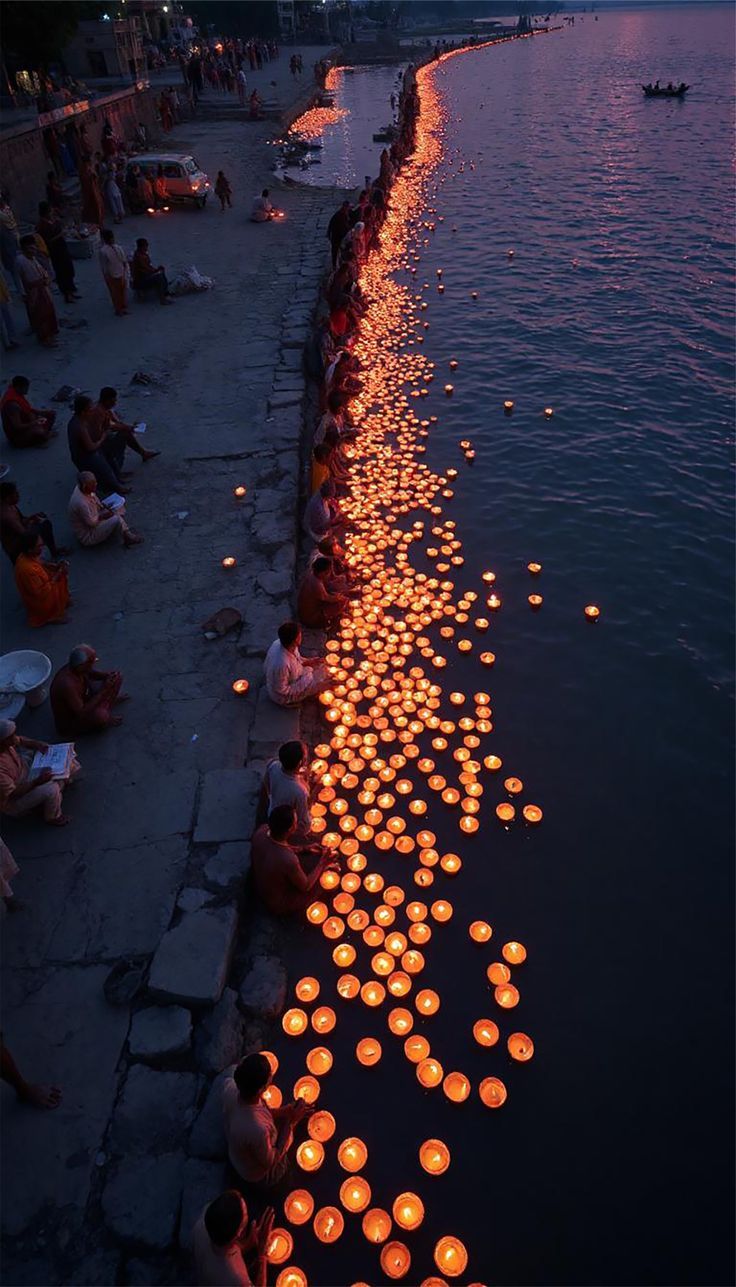
The Panchkroshi Yatra (पंचकोशी यात्रा) is the sacred parikrama around the whole of Kashi: an 88 km circuit that begins and ends at Manikarnika, with five padavs (halts), Kardameshwar, Bhimchandi, Rameshwar, Shivpur and Kapildhara, and 108 Shiva shrines along the way. Traditionally walked over five days, it is done today either on foot with dharamshala halts or in a single day by vehicle. varanasiayodhyatours.com plans both versions, the sankalp, the route and the pace, on WhatsApp.
View DetailsSubah-e-Banaras (सुबह-ए-बनारस) is Varanasi's daily dawn ritual at Assi Ghat: begun on 24 November 2014, it opens in the Brahma Muhurta before sunrise with Vedic chanting and a hawan, a morning Ganga aarti to the rising sun, then live Banaras Gharana classical music and an open yoga session on the ghat steps. It runs every morning, is free to attend, and is the contemplative dawn counterpart to the grand evening Ganga Aarti at Dashashwamedh. varanasiayodhyatours.com plans the pre-dawn pickup, the seating and a sunrise boat around it, on WhatsApp.
View Details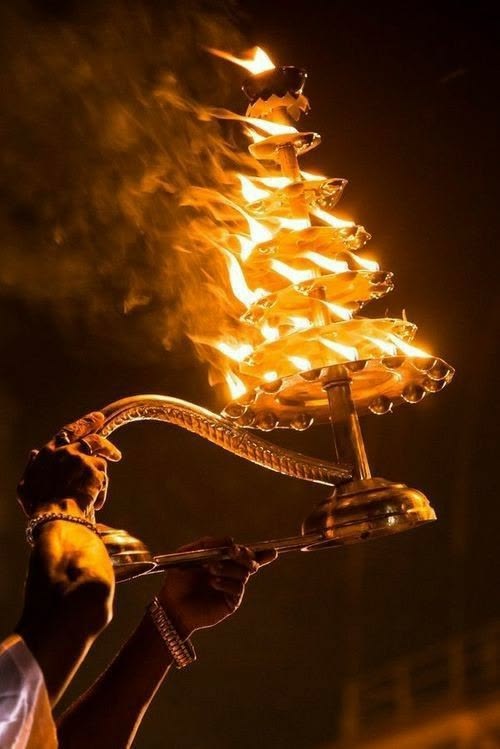
The Nageshwarnath temple (नागेश्वरनाथ) is Ayodhya's ancient presiding Shiva shrine, at Ram ki Paidi on the banks of the Saryu, said to have been established by Kush, the son of Lord Rama. In a city given to Rama, it is the great centre of Shiva worship, coming alive above all at Maha Shivratri, with its famous Shiva Baraat, and through the month of Sawan. varanasiayodhyatours.com plans the darshan and the Shiva festivals around it, on WhatsApp.
View Details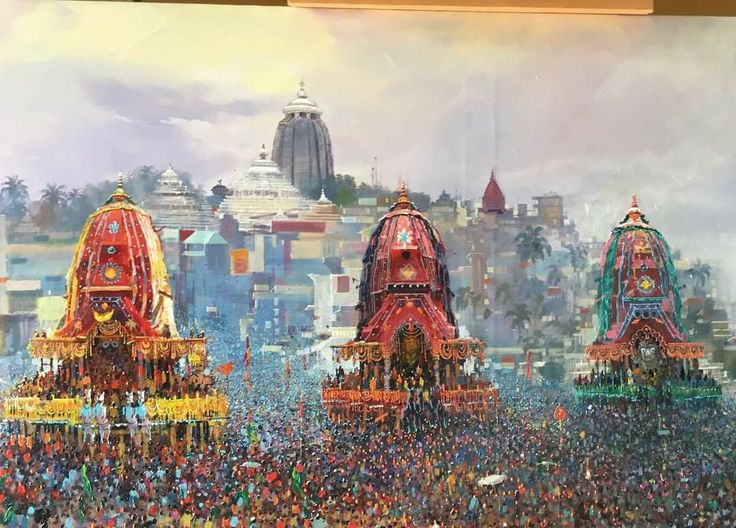
The Panchkroshi Yatra (पंचकोशी यात्रा) is the sacred parikrama around the whole of Kashi: an 88 km circuit that begins and ends at Manikarnika, with five padavs (halts), Kardameshwar, Bhimchandi, Rameshwar, Shivpur and Kapildhara, and 108 Shiva shrines along the way. Traditionally walked over five days, it is done today either on foot with dharamshala halts or in a single day by vehicle. varanasiayodhyatours.com plans both versions, the sankalp, the route and the pace, on WhatsApp.
View Details