1 Day
Pilgrimage
Price on request
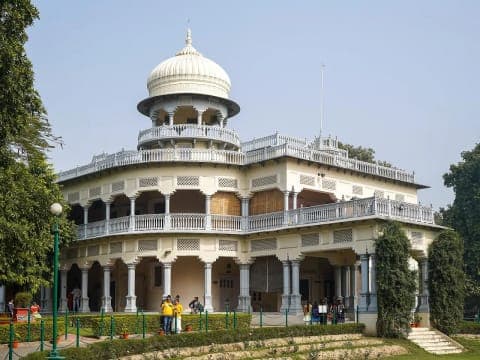
Same Day Prayagraj Tour Package
Prayagraj|Pilgrimage
Dawn Sangam Boat & Dip
Bade Hanuman & Fort
Anand Bhavan & Azad Park
 Varanasi
By Rajeev Sharma
Varanasi-born Pilgrimage Guide
Ganga Aarti (गंगा आरती) is the worship of the river performed every single evening at Dashashwamedh Ghat in Varanasi, 365 days a year, starting shortly after sunset: around 6 pm in winter and 7 pm in summer, for about 45 minutes. Attending from the steps is free. varanasiayodhyatours.com arranges boat viewing, poojan participation and full Kashi itineraries on WhatsApp.
Experience Ganga Aarti in Varanasi: every evening, without exception with a Kashi-born guide — darshan, stays and boats arranged.
The aarti begins shortly after sunset and runs about 45 minutes, every day of the year; it has never been cancelled, not for floods, weather or holidays.
The aarti is the daily worship of Ganga as goddess: lamps, incense, flowers and mantra offered to the river at the ghat where, by legend, Brahma performed ten Ashwamedha yajnas to welcome Shiva back to Kashi. Seven priests perform it in synchrony, symbolising the Sapta Rishis, with conch, bells and tiered brass lamps. The ceremony in its present form was revived in 1991 by the Ganga Seva Nidhi trust; the worship itself is as old as Kashi's relationship with the river. The ghat you stand on was built by Peshwa Balaji Baji Rao in 1748 and rebuilt by Ahilyabai Holkar in 1774.
The priests take their platforms facing the river as dusk settles. The sequence runs conch, incense, flower offering, and then the long movements of the layered flame lamps, clockwise, in rhythm with the bells and the chant. Diyas float out on the current through the ceremony. Forty-five minutes after the first conch, the flames go down, the crowd releases, and the ghat empties uphill toward Godaulia in one slow wave.
From the ground: the moment worth arriving early for is the fifteen minutes before the first conch, when the lamps are being dressed and the ghat is still finding its seats. That is Banaras; the ceremony is the crescendo.
Assi Ghat runs the quieter counterpart at dawn: Vedic chanting and a havan, the aarti, then live classical music as the sun comes up, with a yoga session on the platform most mornings. It is attended mostly by locals and is the single best answer to "how do I see the real Banaras." Do both in one day: Assi at sunrise, Dashashwamedh at sunset.
The Ganga Aarti is free and nobody official sells entry. The chairs and platforms nearest the priests belong to the organising trust and its hosts, and the men circling the ghat selling "VIP aarti seats" to tourists are running the standard Varanasi scam: at best an overpriced plastic chair, at worst a seat that does not exist. There are two honest paid routes: the Ganga Poojan registration with the trust, where you take part in the ritual with a priest and receive the official receipt, and a boat. We arrange both, with the price in writing before you pay anything. A shared rowing boat bargained at the ghat costs a few hundred rupees on a normal evening; pre-booked, positioned boats cost more and are worth it mainly on peak and festival nights.
Dashashwamedh Ghat sits below Godaulia crossing, about 25 km from Lal Bahadur Shastri International Airport (VNS) and 5 km from Varanasi Junction. Cars and autos stop at Godaulia; walk the lane down to the ghat. Our package guests are dropped and picked up by private Innova Crysta with the driver holding at the correct exit point, which matters more than it sounds at 8 pm in that crowd. Full detail in the How to Reach Varanasi guide.
Our package guests stay at the Taj Ganges or Hilton Varanasi with breakfast included; the Innova makes the evening ghat run simple. If you want to fall out of bed onto the steps, ghat-side guesthouses at Bangali Tola and Assi are the alternative, with festival-season sellouts. More in the Stay & Hotels guide.
Every one of our Varanasi packages includes the evening Ganga Aarti with a guide who explains the ritual in your language. The 4 Days Ayodhya Varanasi Tour Package, ₹50,000 per couple (₹25,000 per person), covers the aarti, Kashi Vishwanath sugam darshan and Sarnath. For the aarti at its yearly peak, the Ganga Mahotsav + Dev Deepawali package runs six days at ₹75,000 for two guests (₹37,500 per person), Taj or Hilton throughout. Any custom length builds on one flat rate: ₹12,500 per day for two guests. Browse all packages.
Shortly after sunset, every evening: around 5:45 to 6 pm in winter and 6:45 to 7 pm in summer at Dashashwamedh Ghat, running about 45 minutes.
Yes, watching from the ghat steps is free with no booking. The honest paid options are the Ganga Poojan participation with the trust or a boat on the river.
Yes, 365 days a year without exception, in every season and weather.
Dashashwamedh in the evening for the main ceremony; Assi Ghat at dawn for Subah-e-Banaras, the quieter morning aarti with classical music.
The boat gives the full panorama of all seven priests and no crowd in front of you; the steps give the sound, heat and feeling. First visit: steps. Photographs or elders: boat.
A shared rowing boat bargained at the ghat runs a few hundred rupees on a normal evening; pre-booked positioned boats cost more and matter most on weekends, peak season and festival nights.
No. Nobody official sells aarti entry. The honest routes are the trust's Ganga Poojan registration or a boat; anything else sold to you at the ghat is the standard scam.
Yes, through the Ganga Poojan: a priest performs the offering with you and you receive the trust's official receipt. We arrange it with your evening.
Thirty to forty-five minutes on a normal weekday, a full hour in peak season, and hours early on festival nights like Dev Deepawali.
Kartik month, peaking on Dev Deepawali (24 November 2026), when the ceremony anchors the night of a million diyas and the whole riverfront becomes the aarti.
Experience Ganga Aarti in Varanasi: every evening, without exception with a Kashi-born guide — darshan, stays and boats arranged.
Handpicked packages for sacred festivals and destinations.

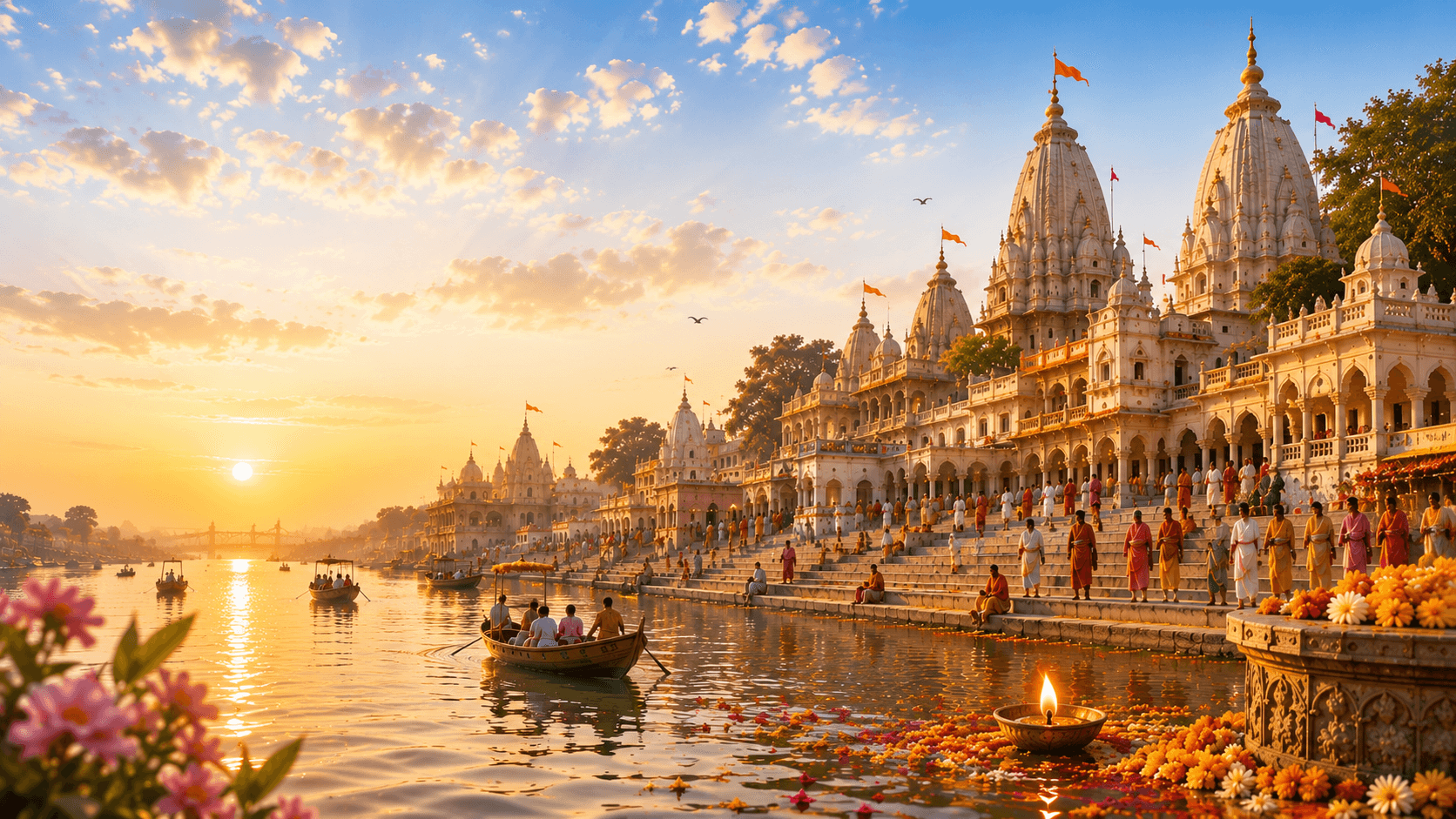
.webp&w=2048&q=75)
Handpicked travel guides, local insights and practical information to help you plan your spiritual journey with ease.
.74539458.webp&w=2048&q=75)
Timings, entry process, VIP darshan, nearby attractions and important tips.
Fresh insights and useful information for your journey.
More spiritual gatherings across sacred destinations.
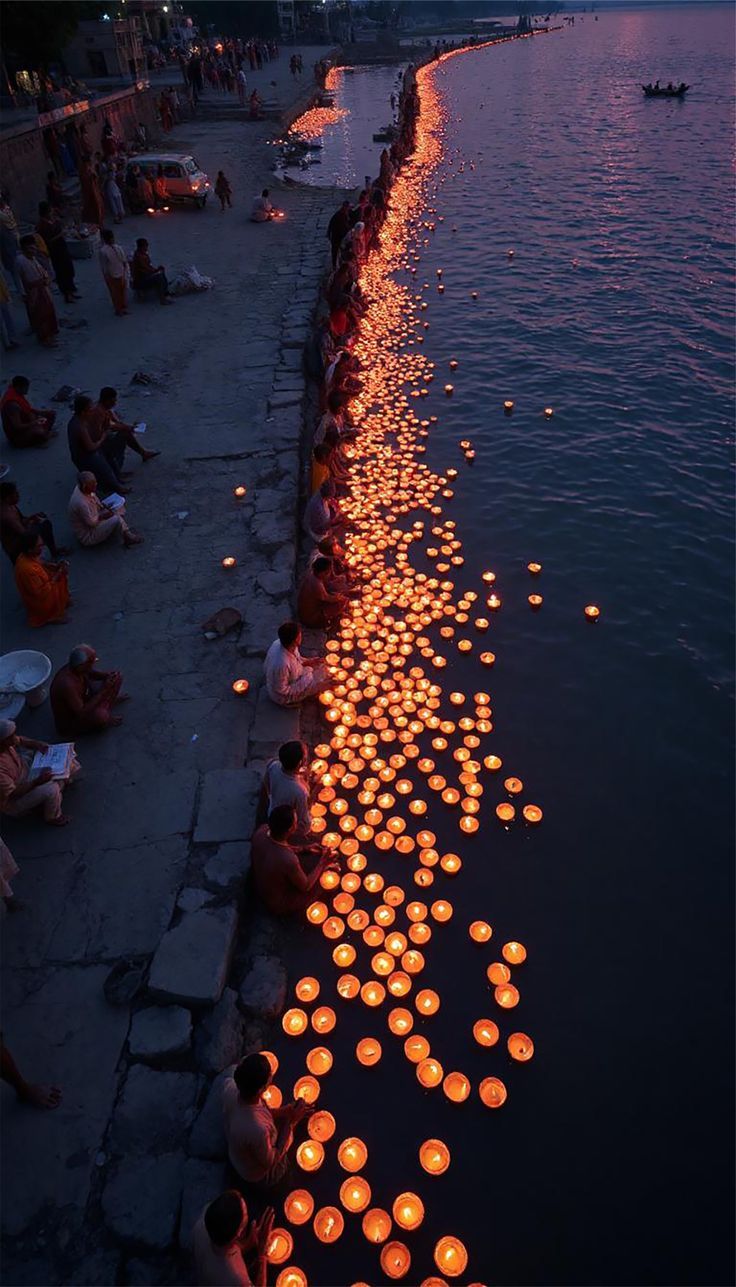
The Panchkroshi Yatra (पंचकोशी यात्रा) is the sacred parikrama around the whole of Kashi: an 88 km circuit that begins and ends at Manikarnika, with five padavs (halts), Kardameshwar, Bhimchandi, Rameshwar, Shivpur and Kapildhara, and 108 Shiva shrines along the way. Traditionally walked over five days, it is done today either on foot with dharamshala halts or in a single day by vehicle. varanasiayodhyatours.com plans both versions, the sankalp, the route and the pace, on WhatsApp.
View DetailsSubah-e-Banaras (सुबह-ए-बनारस) is Varanasi's daily dawn ritual at Assi Ghat: begun on 24 November 2014, it opens in the Brahma Muhurta before sunrise with Vedic chanting and a hawan, a morning Ganga aarti to the rising sun, then live Banaras Gharana classical music and an open yoga session on the ghat steps. It runs every morning, is free to attend, and is the contemplative dawn counterpart to the grand evening Ganga Aarti at Dashashwamedh. varanasiayodhyatours.com plans the pre-dawn pickup, the seating and a sunrise boat around it, on WhatsApp.
View Details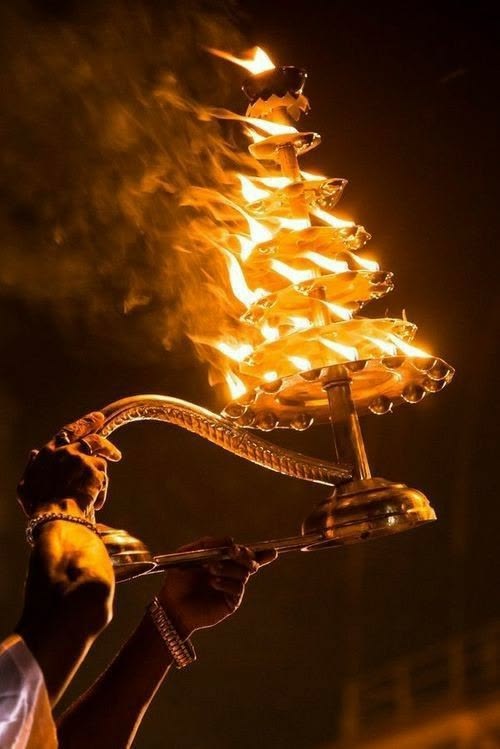
The Nageshwarnath temple (नागेश्वरनाथ) is Ayodhya's ancient presiding Shiva shrine, at Ram ki Paidi on the banks of the Saryu, said to have been established by Kush, the son of Lord Rama. In a city given to Rama, it is the great centre of Shiva worship, coming alive above all at Maha Shivratri, with its famous Shiva Baraat, and through the month of Sawan. varanasiayodhyatours.com plans the darshan and the Shiva festivals around it, on WhatsApp.
View Details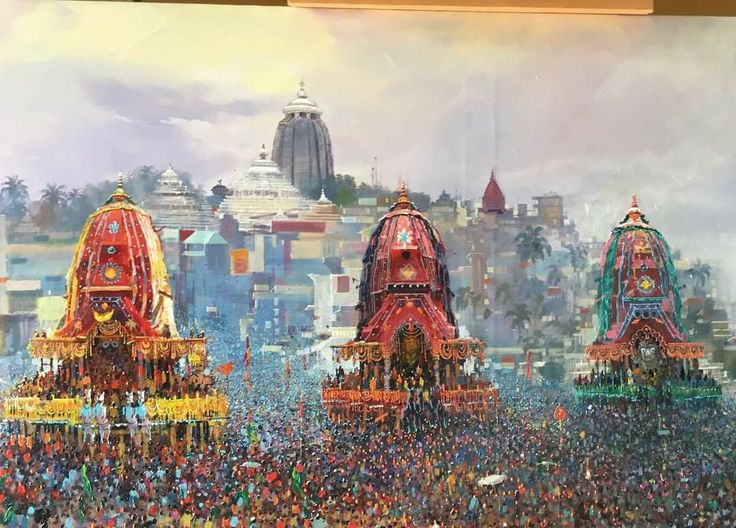
The Panchkroshi Yatra (पंचकोशी यात्रा) is the sacred parikrama around the whole of Kashi: an 88 km circuit that begins and ends at Manikarnika, with five padavs (halts), Kardameshwar, Bhimchandi, Rameshwar, Shivpur and Kapildhara, and 108 Shiva shrines along the way. Traditionally walked over five days, it is done today either on foot with dharamshala halts or in a single day by vehicle. varanasiayodhyatours.com plans both versions, the sankalp, the route and the pace, on WhatsApp.
View Details