1 Day
Pilgrimage
Price on request
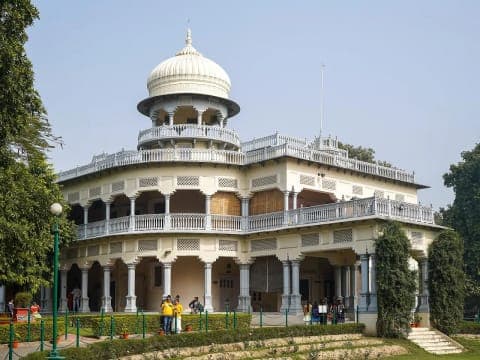
Same Day Prayagraj Tour Package
Prayagraj|Pilgrimage
Dawn Sangam Boat & Dip
Bade Hanuman & Fort
Anand Bhavan & Azad Park
 Ayodhya
By Rajeev Sharma
Varanasi-born Pilgrimage Guide
The Ayodhya Parikrama is the sacred circumambulation of Rama's birthplace, walked most grandly in the Kartik month: the Chaudah Kosi Parikrama, about 42 km on Kartik Akshaya Navami, and the Panchkosi Parikrama, about 15 km on Devuthani Ekadashi. In 2026 they fall in mid-to-late November, each drawing lakhs, up to 30 lakh on the 14 Kosi, walking barefoot through the night. varanasiayodhyatours.com plans the darshan, the vantage and the logistics around these vast parikrama days, on WhatsApp.
Experience Ayodhya Parikrama: walking the sacred boundary of Rama's city with a Kashi-born guide — darshan, stays and boats arranged.
The great Kartik parikramas follow the bright fortnight of Kartik and lead into the Kartik Purnima Saryu snan. Approximate 2026 dates:
Ayodhya is circled by several sacred boundaries, each a parikrama:
The Kartik parikramas are the grand annual occasions; the Panchkosi can be walked any time, and is especially auspicious on Ram Navami, the Kartik Purnima and Ekadashis.
The 42 km Chaudah Kosi circles the wider sacred boundary of Ayodhya, passing the great temples and kunds: Ram Janmabhoomi, Hanuman Garhi, Kanak Bhawan, the Nageshwarnath temple, Mani Parvat, Brahma Kund, and the ghats of the Saryu. Pilgrims set out in the pre-dawn dark on Akshaya Navami and walk through the day and night, barefoot, chanting, the whole route lined with prasad stalls, water and rest points. The parikrama paths have been widened to four lanes in recent years to hold the crowds, which reach up to 30 lakh.
The 15 km Panchkosi is the inner circle and the one most visitors can realistically walk. It traditionally begins near the Saryu at Swargadwar or Ram ki Paidi and winds through the core temples, Hanuman Garhi, Kanak Bhawan, Ram Janmabhoomi, Nageshwarnath, and a dozen more kunds and shrines, closing back at the river. It is completed in a single day, many walk it barefoot, and October to March is the comfortable season. A pandaji who knows the route and the mantras makes it a true pilgrimage rather than a walk.
To walk a parikrama is to circle the divine and, in the tradition, to shed sin and earn merit with every step. Ayodhya, one of the seven sacred Sapta Puri cities, is held to be the body of Rama's kingdom, and to circumambulate its boundary is to honour that whole sacred geography, the temples, the Saryu, the kunds tied to the Ramayana. Doing it in Kartik, the holiest month, and on Akshaya Navami or Devuthani Ekadashi, when Vishnu wakes from his cosmic sleep, multiplies the merit; Ayodhya's Kartik parikramas are among the largest annual pilgrimages in India.
From the ground: for my Telugu and Kannada guests I explain the Panchkosi as Ayodhya's answer to the Kashi Panchkroshi, a circle of the holy city on foot. I read the significance of each temple and kund as we reach it, in your language, and pace it for your comfort.
The parikramas build toward the Kartik Purnima, when lakhs take the holy dip in the Saryu at Ram ki Paidi and the ghats. This is the same Kartik Purnima kept in Varanasi as Dev Deepawali; in Ayodhya it is the Saryu snan that crowns the Kartik Mela. A single mid-to-late November trip can hold the parikrama, the snan and the lamp festivals of the belt.
The parikramas are free and open: no ticket, no pass, no VIP. Two honest points. First, the Chaudah Kosi is a genuine 42 km endurance walk through a night, undertaken by the truly devout; most visitors are far better suited to the 15 km Panchkosi, or to timed darshan around the parikrama days rather than the full circuit, and we will tell you so honestly rather than sell you a walk you cannot finish. Second, on these days Ayodhya holds lakhs to millions, and Ram Mandir darshan is free with managed slots, there is no paid VIP, so what we arrange is the timing, the gate, the pandaji for the Panchkosi and the logistics of moving through immense crowds, not access that does not exist.
Fly into Maharishi Valmiki International Airport, Ayodhya Dham, or Lucknow (about 135 km); trains serve Ayodhya Dham Junction. From Varanasi it is about 200 km, roughly four hours by Innova, the route our two-city itineraries run. On parikrama days vehicles halt well out and the city is walked. Full detail in the How to Reach Varanasi guide.
Ayodhya's hotels and dharamshalas fill for the Kartik parikramas and snan; book months ahead. Our packages base guests in comfort with a private Innova, and arrange an Ayodhya night close to the parikrama start for an early, unhurried beginning. More in the Stay & Hotels guide.
The 4 Days Ayodhya Varanasi Tour Package, ₹50,000 per couple (₹25,000 per person), gives Ayodhya a full day and can be timed to the Panchkosi and the Kartik snan. Because the parikramas fall in the same fortnight as the belt's lamp festivals, they pair with the Deepotsav Ayodhya package and, across the river in Kashi, Dev Deepawali. A custom parikrama itinerary with a pandaji builds on one flat rate: ₹12,500 per day for two guests, confirmed in writing before any advance. Browse all packages.
The Chaudah Kosi Parikrama falls around 18 to 19 November 2026 (Kartik Akshaya Navami) and the Panchkosi around 20 to 21 November (Devuthani Ekadashi), leading into the Kartik Purnima Saryu snan around 24 November. Exact muhurat times are announced yearly.
The Panchkosi is the inner 15 km circle, walkable in a day; the Chaudah Kosi is the 42 km boundary walked on Akshaya Navami; the Chaurasi Kosi is the vast 252 km outer circuit of the old Kosala kingdom.
About 42 km (14 kos), walked in one long day and night, drawing up to 30 lakh pilgrims on Kartik Akshaya Navami.
The 15 km Panchkosi is achievable for most reasonably fit pilgrims in a day; the 42 km Chaudah Kosi is a serious endurance walk for the committed. We will advise honestly which suits you.
Traditionally near the Saryu at Swargadwar or Ram ki Paidi, winding through Hanuman Garhi, Kanak Bhawan, Ram Janmabhoomi, Nageshwarnath and other temples and kunds, and closing back at the river.
The Kartik parikramas (October to November) are the grand annual occasions. For a quieter Panchkosi, October to March offers comfortable walking weather.
No; the parikramas are free and open. There is no paid VIP darshan at Ram Mandir either. A guide or pandaji adds the route, the ritual and the logistics, not access.
The Panchkosi can be split or partly done by slow vehicle for the elderly, with no objection; intention matters most. The Chaudah Kosi is demanding. Tell us mobility and we plan honestly.
All fall in the Kartik fortnight: Deepotsav on Diwali eve, the parikramas mid-month, the Kartik Purnima snan, and Dev Deepawali in Varanasi. One November trip can hold several.
Yes; for the Panchkosi we arrange a knowledgeable pandaji who knows the route and recites the mantras at each stop, in your language where possible.
Experience Ayodhya Parikrama: walking the sacred boundary of Rama's city with a Kashi-born guide — darshan, stays and boats arranged.
Handpicked packages for sacred festivals and destinations.

.webp&w=2048&q=75)
Handpicked travel guides, local insights and practical information to help you plan your spiritual journey with ease.
.74539458.webp&w=2048&q=75)
Timings, entry process, VIP darshan, nearby attractions and important tips.
Fresh insights and useful information for your journey.
More spiritual gatherings across sacred destinations.
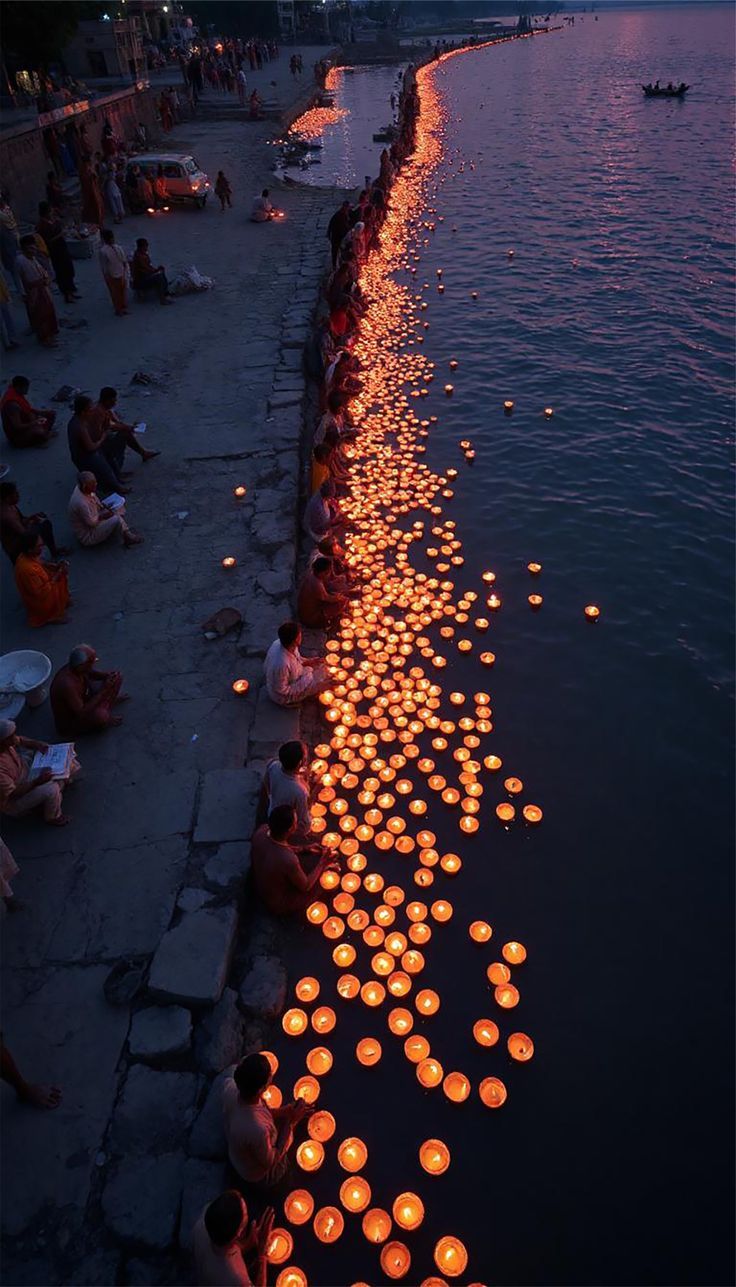
The Panchkroshi Yatra (पंचकोशी यात्रा) is the sacred parikrama around the whole of Kashi: an 88 km circuit that begins and ends at Manikarnika, with five padavs (halts), Kardameshwar, Bhimchandi, Rameshwar, Shivpur and Kapildhara, and 108 Shiva shrines along the way. Traditionally walked over five days, it is done today either on foot with dharamshala halts or in a single day by vehicle. varanasiayodhyatours.com plans both versions, the sankalp, the route and the pace, on WhatsApp.
View Details
Subah-e-Banaras (सुबह-ए-बनारस) is Varanasi's daily dawn ritual at Assi Ghat: begun on 24 November 2014, it opens in the Brahma Muhurta before sunrise with Vedic chanting and a hawan, a morning Ganga aarti to the rising sun, then live Banaras Gharana classical music and an open yoga session on the ghat steps. It runs every morning, is free to attend, and is the contemplative dawn counterpart to the grand evening Ganga Aarti at Dashashwamedh. varanasiayodhyatours.com plans the pre-dawn pickup, the seating and a sunrise boat around it, on WhatsApp.
View Details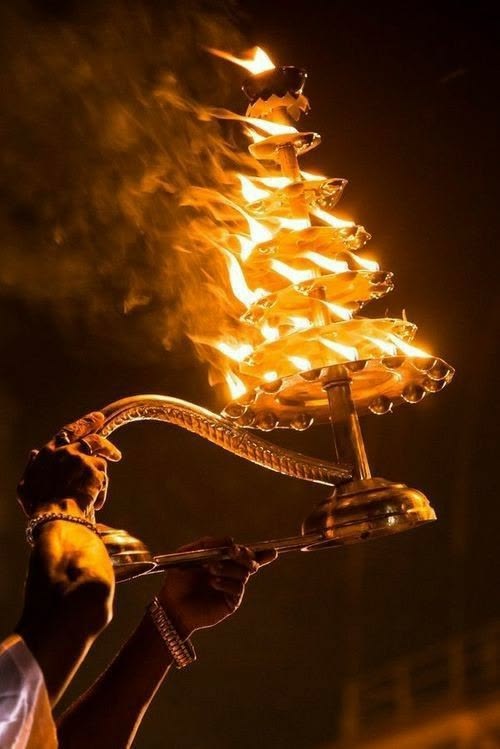
The Nageshwarnath temple (नागेश्वरनाथ) is Ayodhya's ancient presiding Shiva shrine, at Ram ki Paidi on the banks of the Saryu, said to have been established by Kush, the son of Lord Rama. In a city given to Rama, it is the great centre of Shiva worship, coming alive above all at Maha Shivratri, with its famous Shiva Baraat, and through the month of Sawan. varanasiayodhyatours.com plans the darshan and the Shiva festivals around it, on WhatsApp.
View Details
The Panchkroshi Yatra (पंचकोशी यात्रा) is the sacred parikrama around the whole of Kashi: an 88 km circuit that begins and ends at Manikarnika, with five padavs (halts), Kardameshwar, Bhimchandi, Rameshwar, Shivpur and Kapildhara, and 108 Shiva shrines along the way. Traditionally walked over five days, it is done today either on foot with dharamshala halts or in a single day by vehicle. varanasiayodhyatours.com plans both versions, the sankalp, the route and the pace, on WhatsApp.
View Details