1 Day
Pilgrimage
Price on request
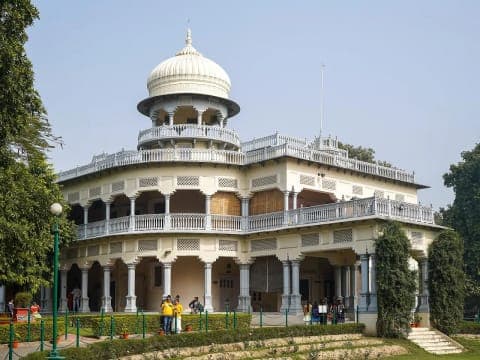
Same Day Prayagraj Tour Package
Prayagraj|Pilgrimage
Dawn Sangam Boat & Dip
Bade Hanuman & Fort
Anand Bhavan & Azad Park
 Ayodhya
By Rajeev Sharma
Varanasi-born Pilgrimage Guide
The Nageshwarnath temple (नागेश्वरनाथ) is Ayodhya's ancient presiding Shiva shrine, at Ram ki Paidi on the banks of the Saryu, said to have been established by Kush, the son of Lord Rama. In a city given to Rama, it is the great centre of Shiva worship, coming alive above all at Maha Shivratri, with its famous Shiva Baraat, and through the month of Sawan. varanasiayodhyatours.com plans the darshan and the Shiva festivals around it, on WhatsApp.
Experience Nageshwarnath: the Shiva temple Rama's son built, in the city of Rama with a Kashi-born guide — darshan, stays and boats arranged.
The temple keeps darshan hours through the day, busiest on Mondays, Pradosh and the Shiva festivals. Approximate timings (confirm on the day):
The temple's origin is one of Ayodhya's loveliest stories. Kush, the younger son of Rama, was bathing in the Saryu when he lost his armlet in the water. A Nag-Kanya, a serpent-maiden, found it, and returning it, revealed her devotion, in some tellings her love. Because she was a devotee of Shiva, Kush built this temple to Shiva in her honour, and asked the Lord to remain at the spot for ever. So the Shiva temple of Rama's own city was raised by Rama's son, out of gratitude, for a devotee of Shiva. It is held to date from the Treta Yuga, a direct link to the age of the Ramayana.
From the ground: for my Telugu and Kannada guests I tell this story at the Saryu's edge before we enter. It answers the question visitors always ask, why a great Shiva temple stands in Rama's city, and it ties the two devotions, Rama and Shiva, together in one place.
Ayodhya is Rama's city above all, but Shiva is honoured here at its heart, and Nageshwarnath is that honour made stone. It is one of the very few shrines believed to have survived from the ancient age, in good repair even in the time of Vikramaditya, and tradition holds it was Nageshwarnath, still standing when much of Ayodhya lay lost under sand and forest, that helped King Vikramaditya rediscover the holy city and rebuild it. The present temple was raised in 1750 by Naval Rai, a minister of Safdar Jung. To Ayodhya's people, Baba Nageshwarnath is a guardian of the city itself.
Maha Shivratri (in February or March) is Nageshwarnath's greatest night, and lakhs come. The temple is dressed in flowers and light, the Shiva linga bathed and worshipped through the night with milk, water and bel leaves, and the highlight is the grand Shiva Baraat, the wedding procession of Shiva, carried on an ornate palanquin through Ayodhya's streets amid drums and incense. It is Ayodhya's own answer to the Shiva Baraat of Maha Shivratri in Kashi: the same great night, kept in Rama's city at the temple Rama's son built.
Through the holy month of Sawan (Shravan, mid-July to mid-August), Nageshwarnath fills with Shiva worship. Kanwariyas carry Ganga or Saryu water to pour over the linga in Jal Abhishek, the Mondays (Sawan Somwar) are especially crowded, and the whole month turns the Rama city briefly to Shiva, mirroring Sawan in Kashi. For a devotee doing the Saryu and the Ram Mandir, Nageshwarnath is the Shiva anchor of the Ayodhya Sawan.
Nageshwarnath stands right at Ram ki Paidi, the great stepped riverfront of the Saryu, the same place that hosts the daily Saryu Aarti and the Deepotsav lamps. It sits within easy reach of the Ram Janmabhoomi complex, Kanak Bhawan, Hanuman Garhi and the Saryu ghats, so it slots naturally into any Ayodhya darshan route, most of which include it. The temple faces the sacred river, and the sanctum holds the Shiva linga.
Devotees offer the classic gifts of Shiva worship: bel (bilva) leaves, water and milk poured over the linga, flowers, and dhatura. Bel leaves are especially dear to Shiva. During Sawan, the Jal Abhishek, the pouring of holy water, is the central act. Offerings are simple and inexpensive; nothing costly is required.
Nageshwarnath darshan is free, and the offerings are simple and cheap, bel leaves, water, a few flowers. Two honest points. Ram ki Paidi and the temple lanes are busy, and on Maha Shivratri and Sawan Mondays the crowd is very large; an early or off-peak visit is far calmer. And as at any busy shrine, be gently firm with anyone pressing costly pujas or large dakshina; a modest, dignified offering is entirely enough here. What we honestly arrange is the timing, the calm slot, the sequence with the Saryu Aarti and the Rama temples, and a guide who tells the Kush legend and keeps the visit smooth, not access, which is open to all.
Fly into Maharishi Valmiki International Airport, Ayodhya Dham, or Lucknow (about 135 km); trains serve Ayodhya Dham Junction. The temple is at Ram ki Paidi, central and walkable from the main Ayodhya sights. From Varanasi it is about 200 km, roughly four hours by Innova, the route our two-city itineraries run. Full detail in the How to Reach Varanasi guide.
Our packages base guests in comfort with a private Innova; a night in Ayodhya lets you take Nageshwarnath and the Saryu Aarti calmly in the evening and the Rama temples by day. Sawan and Maha Shivratri fill the town, so book early. More in the Stay & Hotels guide.
Nageshwarnath sits on every Ayodhya darshan route, so it is included in the 4 Days Ayodhya Varanasi Tour Package, ₹50,000 per couple (₹25,000 per person), alongside the Ram Mandir, Hanuman Garhi, Kanak Bhawan and the Saryu Aarti. For the Shiva festivals, a Maha Shivratri or Sawan itinerary can centre on it, on one flat rate: ₹12,500 per day for two guests, confirmed in writing before any advance. Browse all packages.
By legend, Kush, the son of Lord Rama, built it for a Nag-Kanya who returned his armlet lost in the Saryu and who was a devotee of Shiva. It is held to date from the Treta Yuga.
At Ram ki Paidi, near Theri Bazar, on the banks of the Saryu in Ayodhya, close to the Ram Janmabhoomi complex, Kanak Bhawan and Hanuman Garhi.
Kush lost his armlet bathing in the Saryu; a Nag-Kanya found and returned it, revealing her devotion to Shiva. In gratitude Kush built this Shiva temple in her honour and asked Shiva to remain there for ever.
Maha Shivratri, celebrated with great grandeur, its highlight the Shiva Baraat, the wedding procession of Shiva through the city. Sawan and Pradosh (Trayodashi) are also major.
Because Rama's own son Kush built it, tying the devotions of Rama and Shiva together at Ayodhya. It is the city's principal Shiva shrine.
Its origin is traced to the age of the Ramayana; it is said to have survived when much of Ayodhya was lost, and helped Vikramaditya rediscover the city. The present structure was built in 1750 by Naval Rai.
Bel (bilva) leaves, water and milk poured over the Shiva linga, flowers and dhatura. During Sawan the Jal Abhishek, pouring holy water, is central.
No; darshan is free and offerings are simple and inexpensive. Be gently firm with anyone pressing costly pujas.
Any day for a calm darshan; for the fullest atmosphere, a Sawan Monday or Maha Shivratri, though these are very crowded. Mornings are calmest.
Both are great Shiva shrines: Kashi Vishwanath is Shiva's own city; Nageshwarnath is Shiva honoured in Rama's city, built by Rama's son. Visiting both completes the belt's Shiva devotion.
Experience Nageshwarnath: the Shiva temple Rama's son built, in the city of Rama with a Kashi-born guide — darshan, stays and boats arranged.
Handpicked packages for sacred festivals and destinations.

.webp&w=2048&q=75)
Handpicked travel guides, local insights and practical information to help you plan your spiritual journey with ease.
.74539458.webp&w=2048&q=75)
Timings, entry process, VIP darshan, nearby attractions and important tips.
Fresh insights and useful information for your journey.
More spiritual gatherings across sacred destinations.
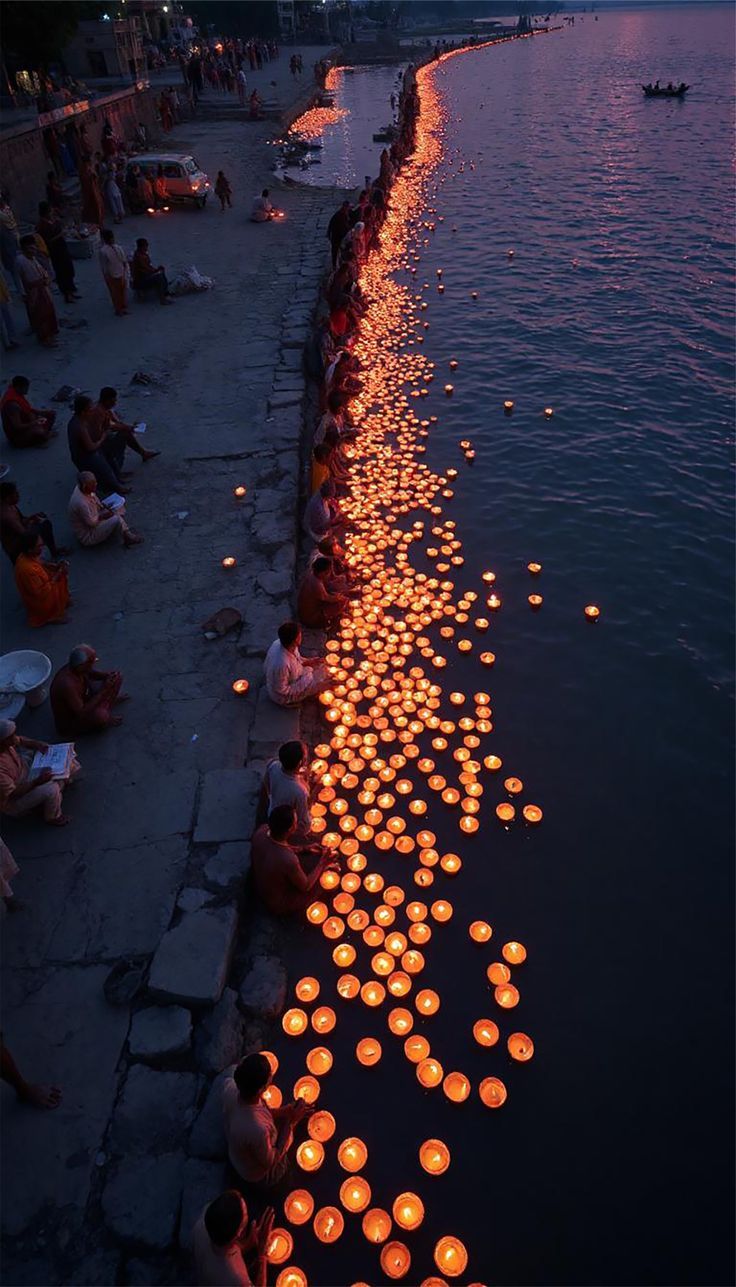
The Panchkroshi Yatra (पंचकोशी यात्रा) is the sacred parikrama around the whole of Kashi: an 88 km circuit that begins and ends at Manikarnika, with five padavs (halts), Kardameshwar, Bhimchandi, Rameshwar, Shivpur and Kapildhara, and 108 Shiva shrines along the way. Traditionally walked over five days, it is done today either on foot with dharamshala halts or in a single day by vehicle. varanasiayodhyatours.com plans both versions, the sankalp, the route and the pace, on WhatsApp.
View Details
Subah-e-Banaras (सुबह-ए-बनारस) is Varanasi's daily dawn ritual at Assi Ghat: begun on 24 November 2014, it opens in the Brahma Muhurta before sunrise with Vedic chanting and a hawan, a morning Ganga aarti to the rising sun, then live Banaras Gharana classical music and an open yoga session on the ghat steps. It runs every morning, is free to attend, and is the contemplative dawn counterpart to the grand evening Ganga Aarti at Dashashwamedh. varanasiayodhyatours.com plans the pre-dawn pickup, the seating and a sunrise boat around it, on WhatsApp.
View Details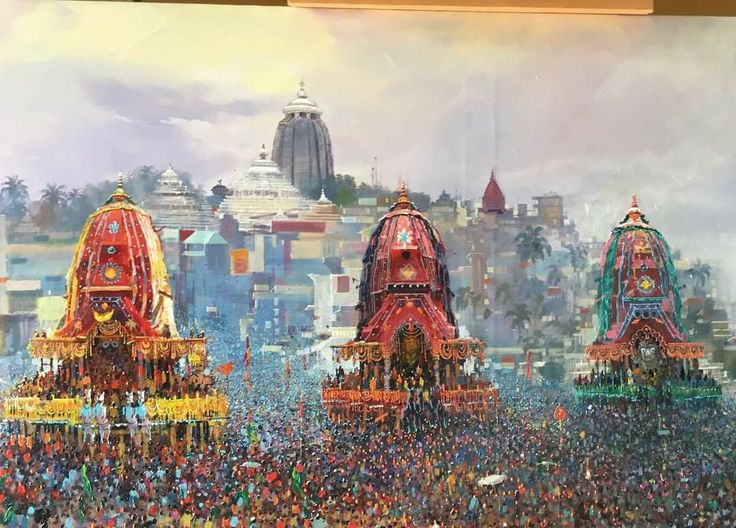
The Panchkroshi Yatra (पंचकोशी यात्रा) is the sacred parikrama around the whole of Kashi: an 88 km circuit that begins and ends at Manikarnika, with five padavs (halts), Kardameshwar, Bhimchandi, Rameshwar, Shivpur and Kapildhara, and 108 Shiva shrines along the way. Traditionally walked over five days, it is done today either on foot with dharamshala halts or in a single day by vehicle. varanasiayodhyatours.com plans both versions, the sankalp, the route and the pace, on WhatsApp.
View Details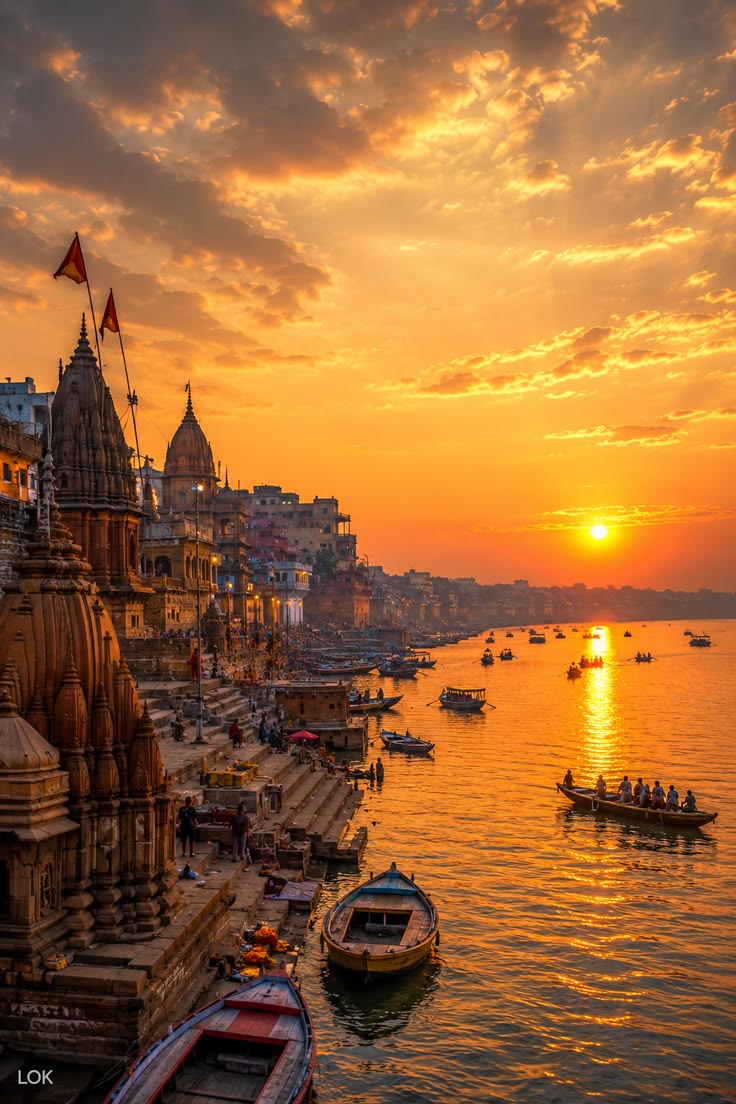
Subah-e-Banaras (सुबह-ए-बनारस) is Varanasi's daily dawn ritual at Assi Ghat: begun on 24 November 2014, it opens in the Brahma Muhurta before sunrise with Vedic chanting and a hawan, a morning Ganga aarti to the rising sun, then live Banaras Gharana classical music and an open yoga session on the ghat steps. It runs every morning, is free to attend, and is the contemplative dawn counterpart to the grand evening Ganga Aarti at Dashashwamedh. varanasiayodhyatours.com plans the pre-dawn pickup, the seating and a sunrise boat around it, on WhatsApp.
View Details